
Our highest endeavor must be to develop free human beings who are able of themselves to impart purpose and direction to their lives. The need for imagination, a sense of truth, and a feeling of responsibility – these three forces are the very nerve of education.
– Rudolf Steiner
Social-emotional learning (SEL) has long been an integral part of Waldorf education. The ability to build relationships, navigate challenges, understand emotions, and work collaboratively is essential to children’s development and these capacities are nurtured intentionally throughout the Waldorf curriculum.
Social-emotional development is woven into the rhythms of the school day, the design of lessons, and the experiences children share with their classmates. Waldorf education embraces the development of the whole child (head, heart, and hands) nurturing intellectual understanding, emotional maturity, and practical skills together.
Consistent, respectful relationships among teachers, students, and families provide a foundation for children to develop empathy, trust, self-awareness, and consideration for others. Building on the work they do in the classroom, children learn through these relationships to understand different perspectives, navigate conflict, and take responsibility for their actions.
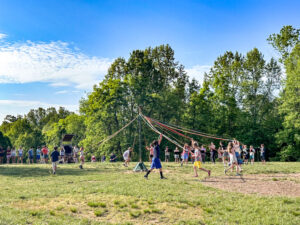
Social-emotional skills develop through the lived experience of school: collaborating on projects, participating in seasonal celebrations, contributing to classroom work, and learning to be part of a community. These everyday experiences give children meaningful opportunities to practice the skills that help them form healthy relationships and engage thoughtfully with the world around them.
The Five Components of Social Emotional Learning
- Self-awareness
- Self-management
- Social awareness
- Relationship skills
- Responsible decision-making
Learn more about these components from Collaborative for Academic, Social, and Emotional Learning (CASEL)
As a member of the Association of Waldorf Schools of North America (AWSNA), Charlottesville Waldorf School is guided by eight Principles that articulate the most important values shaping our policies and practices. The following two principles are especially relevant to social-emotional learning and the ways we support students in their growth and relationships:
(Principle 2)
Waldorf Schools foster social renewal by cultivating
human capacities in service to the individual and society.
Waldorf schools foster development so that, throughout life, individuals are motivated to serve humanity with strength of will, depth of feeling, clarity of thought, and the ability to work with others. The educational program is designed to strengthen these fundamental human capacities in our students.
(Principle 5)
The conscious development of human relationships
fosters individual and community health.
Enduring human relationships between students and their teachers and among the children themselves are at the heart of Waldorf education. The teacher’s task is to work with the developing individuality of each student and with each class as a whole within the context of the entire school. These relationships gain in depth and stability when they are cultivated over multiple years. Healthy human relationships with and among parents and colleagues are essential to the well-being of the school. Members of the community are invited to join in developing meaningful, collaborative, transparent forms for working together. Each individual’s self-development is encouraged since it is key to the well-being of the whole.

Further reading about Social Emotional Learning and its importance in education:
- Social-Emotional Education and Waldorf Education, by David S. Mitchell, available through the Waldorf Research Institute
- Humans at the Heart: What Social-Emotional Learning Means at WSA, a conversation with Waldorf School of Atlanta school counselor LeAndrea Wallace, available on the WSA website
- Why Social-Emotional Learning Matters for Children, by Maggie Kozel M.D., via Psychology Today
Why does SEL matter in education?
“Educators and parents alike are [becoming] much more aware that when chronic anxiety, anger, or upset feelings intrude on children’s thoughts, less capacity is available in working memory to process what they are trying to learn. This implies that, at least in part, academic success depends on a student’s ability to maintain positive social interactions.”
– Linda Lantieri, Social and Emotional Education: An International Analysis, Fundaciòn Marcelino Botin Report, 2008, p. 199.
Social-emotional skills shape how children understand themselves, build relationships, navigate challenges, and participate in a community. These capacities support not only children’s wellbeing, but also their ability to learn, collaborate, and grow into thoughtful, capable individuals. In Waldorf education, they are nurtured through everyday experiences and relationships.
- Self-awareness: Children learn to recognize their feelings and needs while respecting those of others.
- Empathy and compassion: Waldorf practices – such as storytelling, artistic work, and cooperative activities – cultivate imagination and the ability to understand another point of view.
- Community connection: Students experience belonging, as part of a class, a school, and a wider community, and learn how they – as an individual – are part of the group.
- Resilience & adaptability: Through rhythm, ritual, and shared responsibility, children develop the ability to meet challenges with courage and flexibility.
Distinctive to Charlottesville Waldorf School
At Charlottesville Waldorf School, social-emotional learning is shaped by our particular school community, our connection to the natural world, and the relationships we build together. These values are reflected in our daily rhythms, our partnerships with families, and the ways students learn to contribute to something larger than themselves.
Community roots: SEL here reflects not only the Waldorf movement worldwide but also our school’s particular culture. We value care for place, relationships, and community traditions and work to instill that in the children.
Shared responsibility: Parents, teachers, and students are partners in creating the classroom culture, reinforcing social-emotional growth beyond school walls.
Integration with nature: Outdoor learning and care for the natural world deepen SEL, teaching responsibility, patience, and interconnectedness.
Community Class and Social Emotional Learning
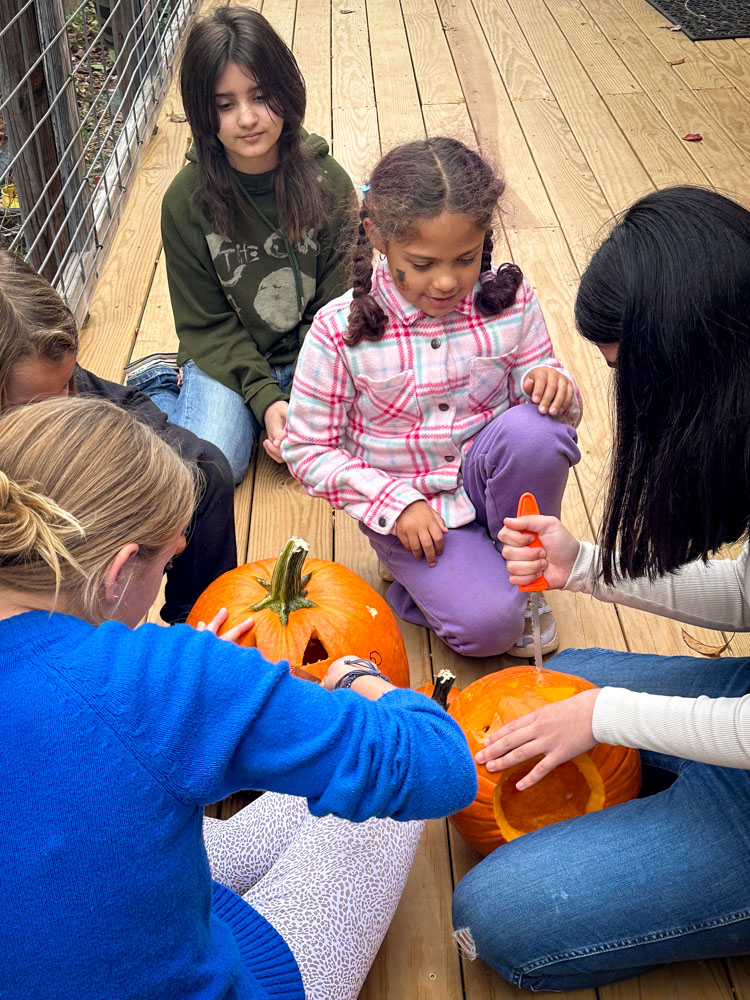
Developed in response to an observed need for more focused opportunities to reinforce the social and emotional lessons woven throughout each school day, Community Classes at Charlottesville Waldorf School provide dedicated time to develop the skills needed to live and work well with others. Students practice the practical, everyday skills of social-emotional learning, including listening, sharing, working across ages, and solving problems together.
In a structured but warm environment, students strengthen self-expression, empathy, and resilience through guided lessons connected to real-life situations and experiences. Collaborative projects and activities give them opportunities to support one another, contribute to the school community, and extend their care and service into the broader community.
Discover Waldorf Education at CWS
At Charlottesville Waldorf School, social-emotional learning is part of a larger commitment to nurturing the whole child. Through meaningful relationships, hands-on learning, and opportunities to contribute to a caring community, children develop the skills and confidence to navigate the world around them.