
Creating a safe, supportive environment where every child can learn and thrive is a fundamental part of our work at Charlottesville Waldorf School.
In a time when families and communities around the country and the world are thinking deeply about school safety, we believe it is important to look not only at the policies and procedures that protect children, but also at the daily relationships, shared responsibilities, and attentive practices that help create a safe school environment.
Our approach combines clear safeguarding procedures and active supervision that is intrinsic to the relationship-centered nature of Waldorf education. In a close-knit school community, knowing children well, observing their development, communicating with families, and working together to address concerns are essential parts of supporting student safety and wellbeing. These practices are reinforced by external oversight, licensing requirements, and regular inspections that help ensure our programs, facilities, and school operations meet or exceed applicable standards.
Safety at our school is an ongoing commitment to creating an environment where children are known, respected, supported, and protected.




A Community Approach to Safety
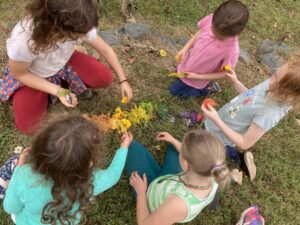
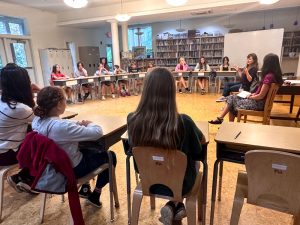
At Charlottesville Waldorf School, relationships are at the heart of daily school life. Our small classes and connected faculty community create opportunities for teachers to know students as individuals, understand their developmental needs, and notice when a child may need additional attention or support.
We believe that a strong culture of safety includes:
- Knowing each child well: Teachers observe students over time, building an understanding of their personalities, relationships, strengths, and changing needs.
- Working together: Faculty communicate and collaborate to support students, share relevant observations, and respond thoughtfully when concerns arise.
- Partnering with families: Ongoing communication helps teachers and parents work together to understand children’s experiences and coordinate support when needed.
- Recognizing concerns early: Attentive observation and open communication create opportunities to address difficulties before they escalate.
- Taking responsibility: Clear expectations and shared accountability help sustain a respectful environment in which concerns can be raised and addressed appropriately.
A close-knit community does not eliminate every risk, but it creates important opportunities for awareness, communication, and timely intervention. We strive to foster a culture in which asking questions, seeking assistance, and speaking up about concerns are understood as essential responsibilities.
Social-Emotional Development and Prevention
Safety includes both physical protection and emotional wellbeing. Children need an environment where they feel secure, where their concerns can be heard, and where they learn how to treat others with respect.
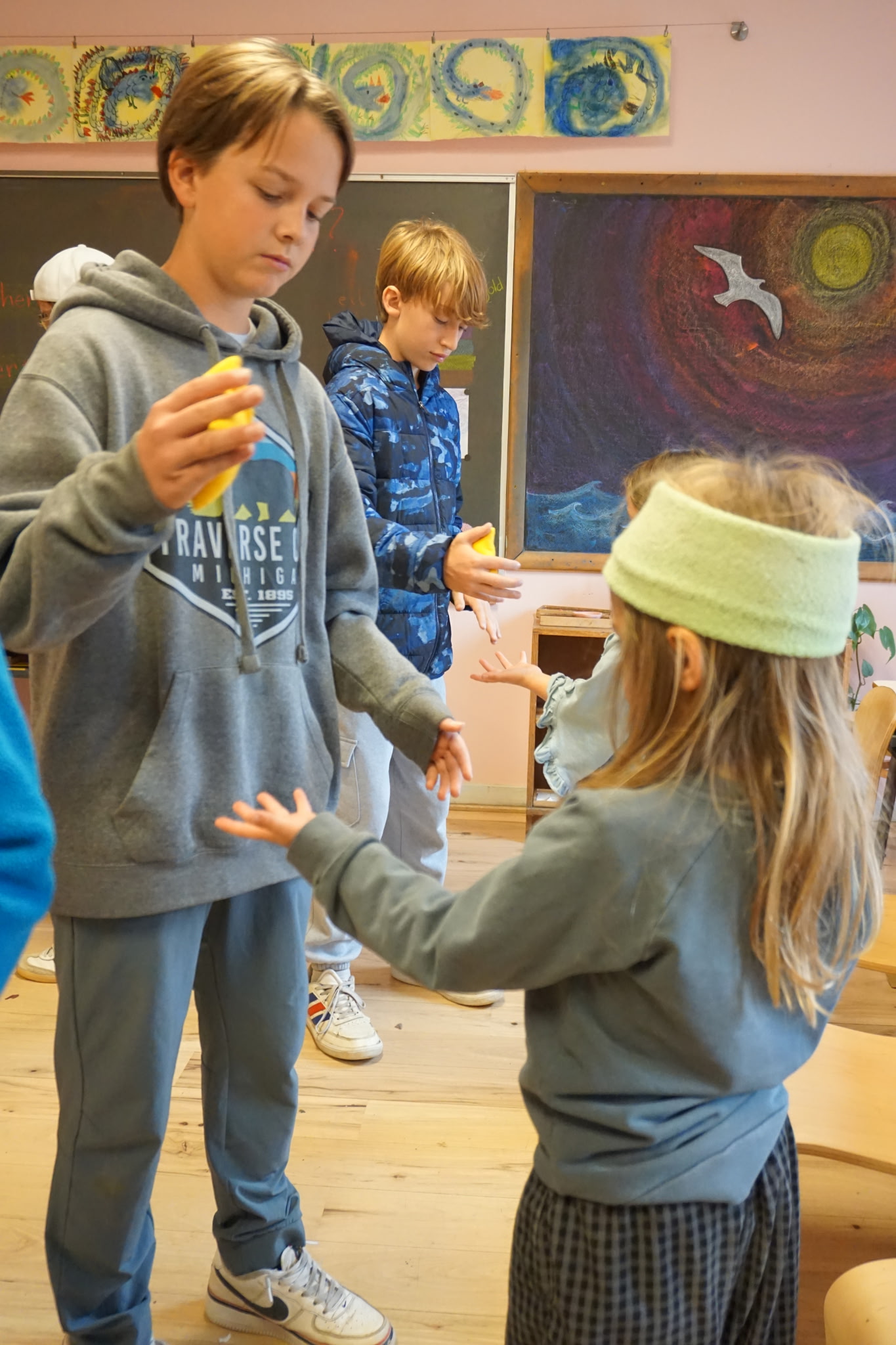
Waldorf education places an emphasis on relationships, developmental understanding, and learning through daily experience. Throughout school life, students are supported in developing the skills that contribute to a healthy community, including:
- Empathy and consideration for others
- Respectful communication and listening
- Healthy boundaries and respect for others’ boundaries
- Conflict resolution and problem-solving
- Responsibility for one’s actions and their impact on others
- The ability to seek help and communicate concerns
These skills are developed through everyday interactions, teacher guidance, classroom expectations, and opportunities to work and learn together. When conflicts or difficulties arise, teachers help students work toward understanding, accountability, and constructive ways forward, appropriate to their age and circumstances.
This developmental approach is an important part of prevention. By paying attention to children’s social and emotional experiences, helping them navigate relationships, and responding when something needs attention, we work to support a school culture in which students can feel safe and connected.

Supervision and Safe Learning Environments
Active, attentive supervision is an essential part of student safety at CWS. Our practices reflect the ages of our students, the activities in which they participate, and the varied environments in which learning takes place.
Supervision extends across all areas of school life, including:
- Classrooms and indoor learning spaces
- Outdoor play, recess, and our nature-rich campus
- Hands-on, experiential, and project-based learning
- Movement and specialty classes
- School gatherings, events, and off-campus activities when applicable
Because Waldorf education includes substantial hands-on and outdoor learning, our supervision practices account for the needs and circumstances of these different settings. Teachers maintain appropriate oversight while giving students opportunities to explore, develop independence, and take on responsibilities suited to their age.
Our approach balances meaningful freedom and exploration with clear expectations, attentive adults, and appropriate safeguards.

Staff Responsibilities and Safeguarding Procedures
All faculty and staff are expected to uphold professional standards that protect students and support their wellbeing. Clear expectations and established procedures help ensure that safety is approached consistently and responsibly throughout the school.
These responsibilities include:
- Following appropriate supervision practices and school safety procedures
- Maintaining professional boundaries in interactions with students
- Following school communication protocols
- Recognizing and responding appropriately to concerns about student safety or wellbeing
- Fulfilling mandated reporting responsibilities under Virginia law
- Participating in relevant training and ongoing professional development
Charlottesville Waldorf School maintains procedures for raising, documenting, reviewing, and responding to concerns. When appropriate, school leadership becomes involved, and external professionals or agencies are engaged in accordance with applicable requirements.
Our commitment is to take concerns seriously, respond responsibly, and prioritize the safety and wellbeing of students.
External Oversight, Licensing, and Campus Safety
A safe school environment depends on both the daily practices of the school community and the standards, inspections, and oversight that help maintain safe facilities and responsible operations.
Charlottesville Waldorf School works to meet applicable requirements and maintain appropriate safeguards across its programs, buildings, and campus.
Our oversight and accountability include:
- Virginia Department of Education: Our Early Childhood and Aftercare programs operate as licensed child care programs under Virginia regulations and are subject to applicable licensing requirements and inspections.
- Health and fire safety: Relevant inspections and requirements help maintain the safety of our buildings, facilities, and campus.
- Waldorf education standards and professional guidance: Our relationship with the Association of Waldorf Schools of North America (AWSNA) connects our school with the professional standards, guidance, and review processes relevant to Waldorf education and school practice.
- Ongoing review and improvement: We continue to review our policies, procedures, and professional practices to support student safety and wellbeing.
These external requirements and professional relationships complement our internal responsibilities. Together, they help provide accountability for the environments in which children learn and the practices through which they are cared for.

Family Communication and Shared Responsibility
Families are important partners in supporting student wellbeing. Regular communication between teachers and families helps build shared understanding of children’s experiences, development, and needs.
Through conferences, written reports, and ongoing teacher-family communication, we work to maintain strong relationships and address questions as they arise. When concerns about a student’s wellbeing or safety emerge, families and school personnel work within established procedures to determine appropriate next steps.
We encourage families to communicate questions or concerns directly with the school. A culture of safety depends on trust, clear communication, and a shared commitment to addressing concerns thoughtfully and responsibly.

A Continuing Commitment
Child safety is an ongoing responsibility, not a task that can be considered complete. Charlottesville Waldorf School is committed to maintaining appropriate safeguards, supporting faculty in their responsibilities, meeting applicable requirements, and continually strengthening the practices that protect our students.
We believe that children are best supported when clear procedures and attentive supervision are reinforced by a community that knows them well, values their wellbeing, and takes responsibility for one another.
Our goal is to create a school environment where every child is treated with dignity, where concerns are taken seriously, and where the entire community shares in the responsibility of helping children learn, grow, and thrive.
Charlottesville Waldorf School is committed to fostering a safe, respectful, and supportive learning environment through thoughtful supervision, established safeguarding procedures, strong relationships, and a shared commitment to every child’s wellbeing.