
In recent decades, early childhood education across the United States has changed dramatically. Academic expectations once reserved for older children have moved steadily downward. In particular, reading instruction in kindergarten (and even preschool) has become commonplace. Worksheets have replaced play in many early childhood classrooms. And families are often told that earlier academics lead to better long-term outcomes.
Yet educators, researchers, and child development specialists have known for years that this push toward early academics — early reading in particular — is not always healthy or helpful for young children.
At Charlottesville Waldorf School, we take a different approach: one grounded in child development, neuroscience, and more than a century of educational experience. We do not view the Waldorf timeline as a delay, but as a commitment to meeting children at the right moment in their development.
The Problem with Pushing Academics Too Early
Young children are not miniature adults. Their brains, bodies, and emotional capacities are still developing in profound ways. Early childhood is a time of rapid growth in motor coordination, sensory integration, social awareness, and imagination.
When formal academics are introduced before children are developmentally ready, several unintended consequences can occur:
- Increased anxiety and academic frustration
- Reduced intrinsic motivation to learn
- Weakened creativity and imaginative thinking
- Less time for physical development and sensory integration
- A tendency to associate learning with pressure rather than joy
Educators have been raising these concerns for years. In fact, in 2015 the National Education Association published educator perspectives describing frustration with policies that push reading instruction earlier and earlier, often at the expense of developmentally appropriate learning.
These concerns are not theoretical, they honestly reflect what experienced and dedicated teachers see every day.
What Young Children Truly Need: Play, Movement, and Real Experience
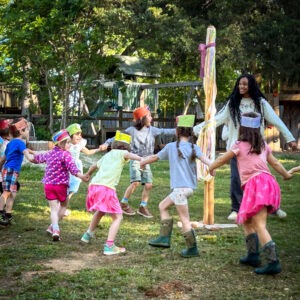
At Charlottesville Waldorf School, we recognize that play is the foundation of learning.
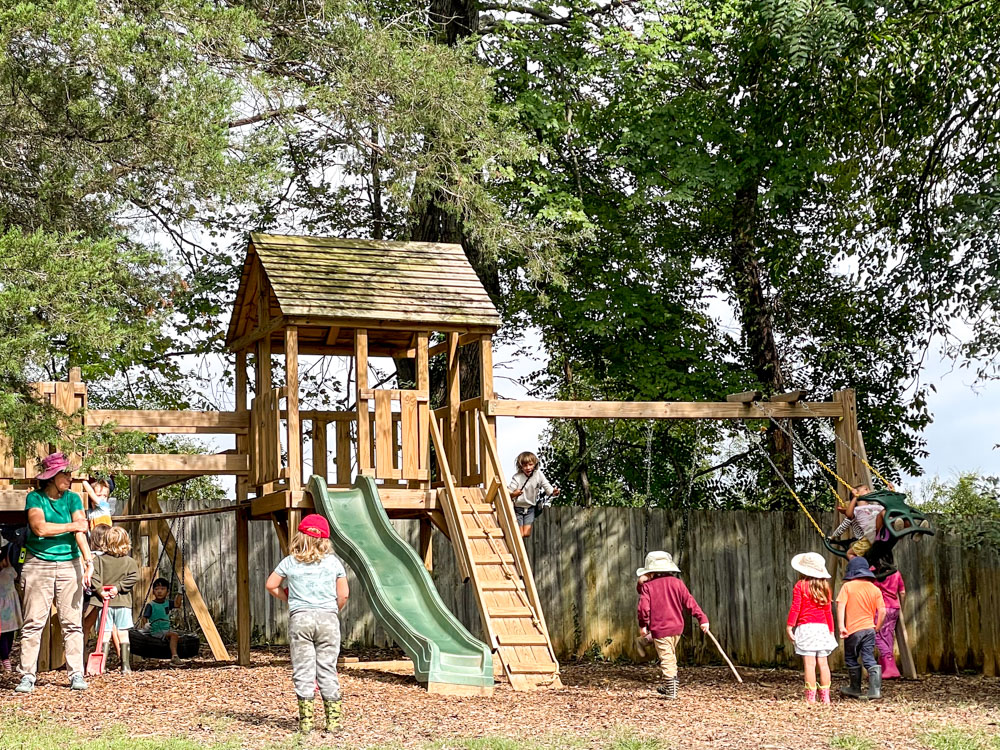
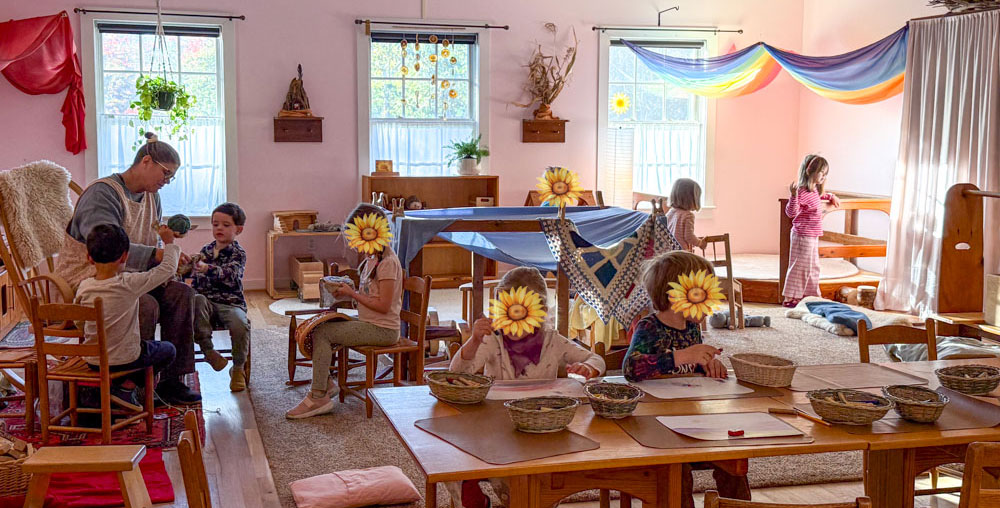
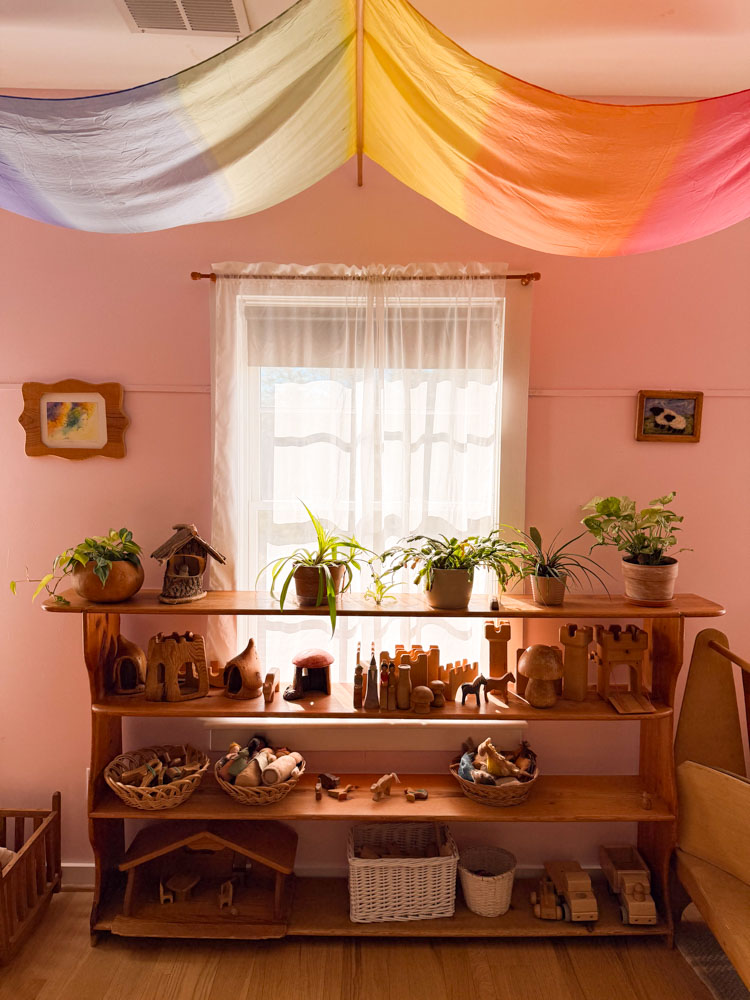
In our Playgarden (preschool) and Kindergarten classrooms and our beautiful playgrounds, children spend their days engaged in essential developmental work, including:
Imaginative Play
Through open-ended play, children develop creativity, problem-solving skills, and emotional resilience. They learn to create meaning, negotiate roles, and explore possibilities.
Physical Movement and Sensory Integration
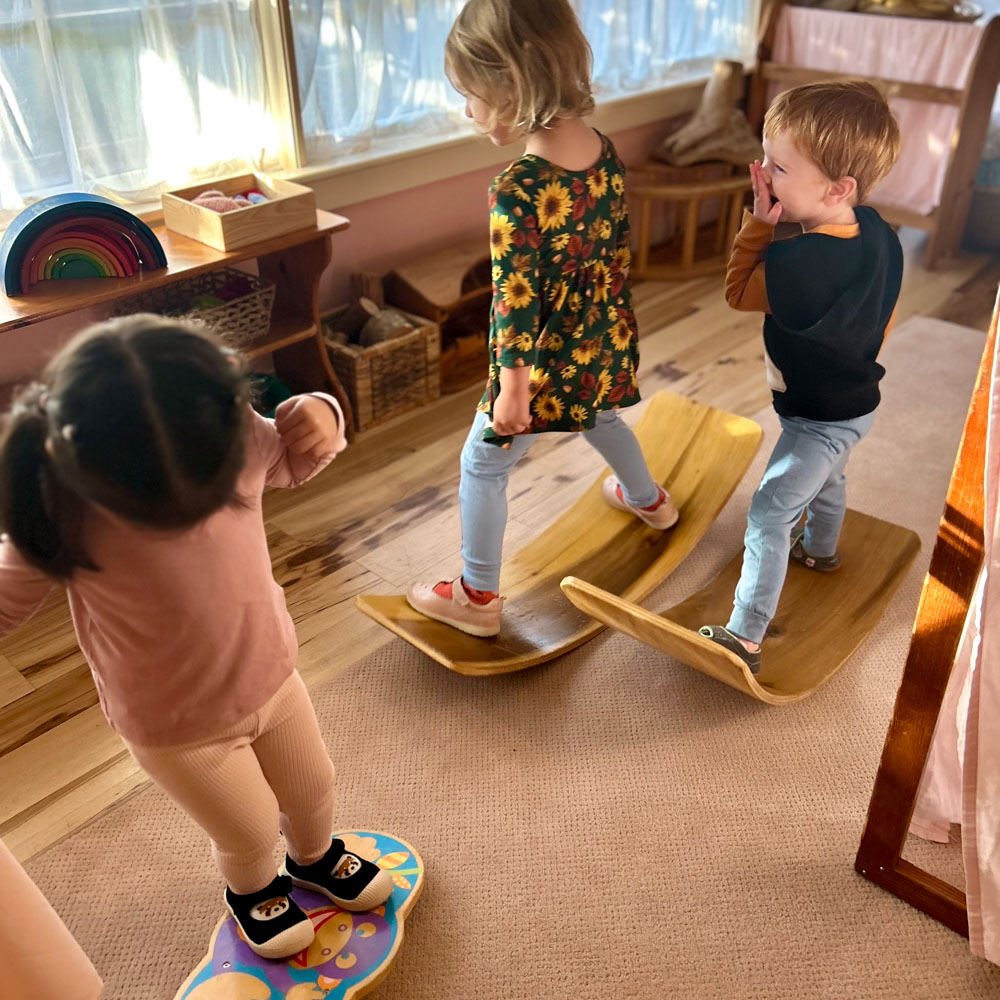
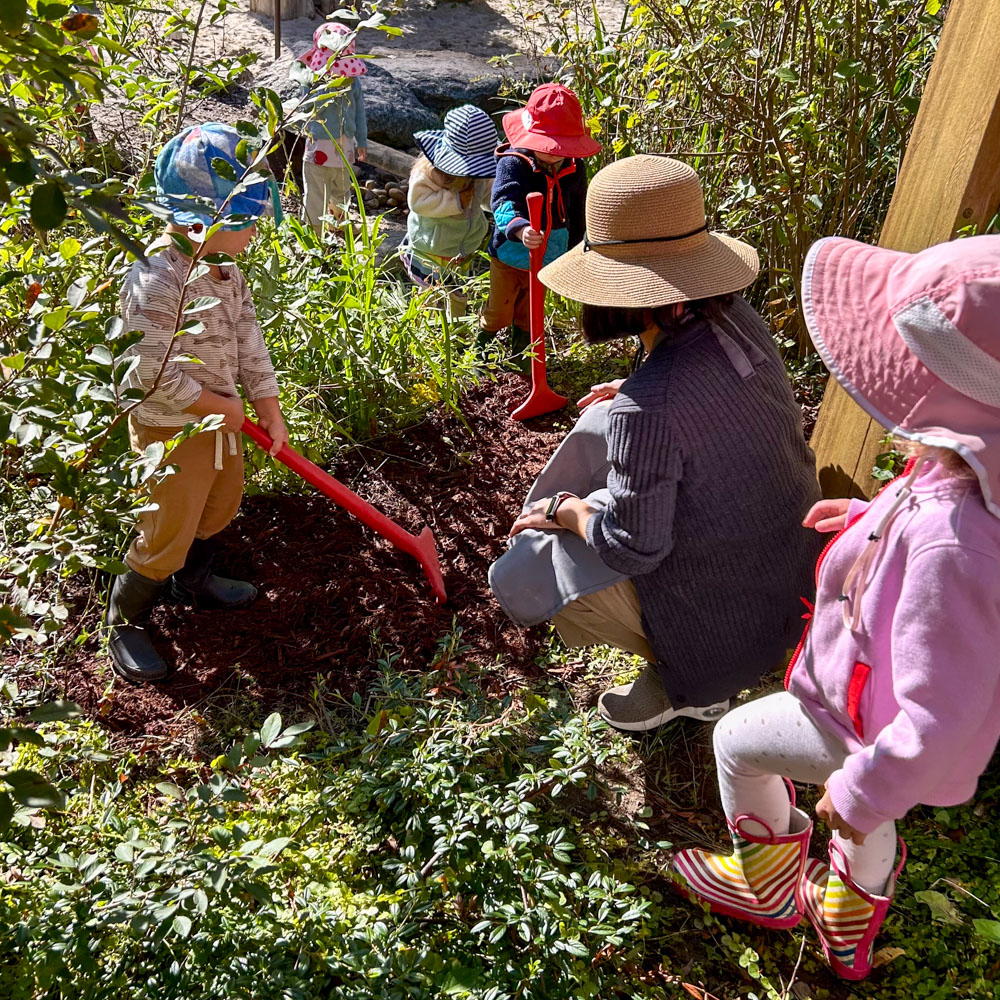
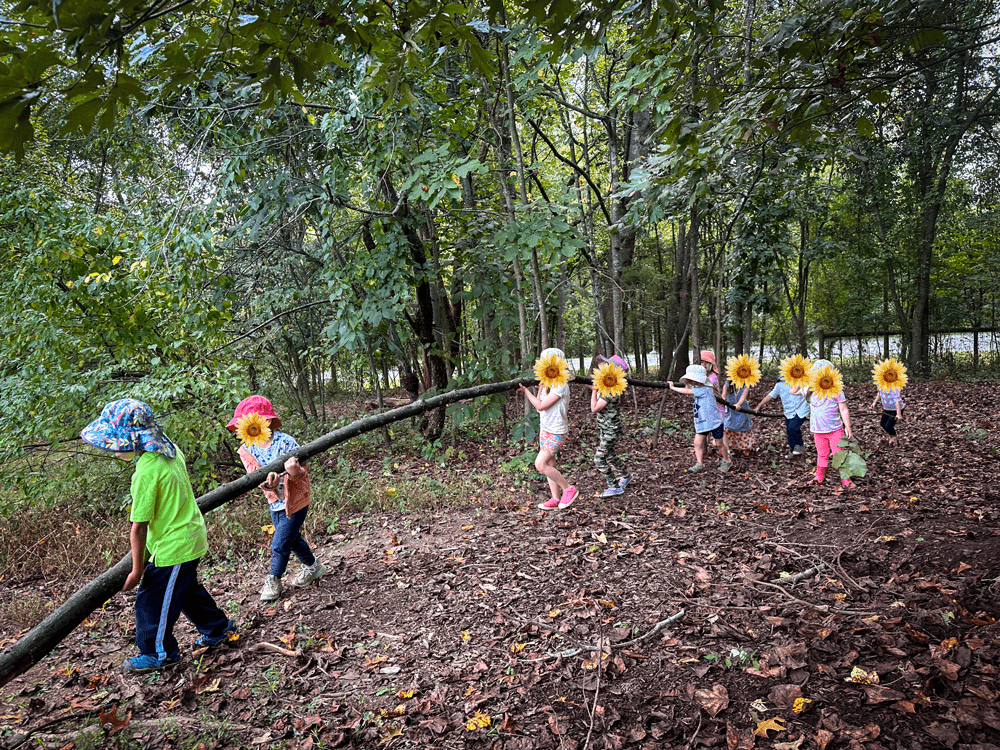
Young children need to move. Climbing, balancing, running, digging, and jumping help develop:
- Balance and proprioception
- Coordination and motor control
- Spatial awareness
- Confidence in their physical bodies
These capacities directly support later academic skills, including reading and writing.
Fine Motor Development
Handwork activities such as drawing, painting, modeling, and practical tasks strengthen the small muscles of the hand, preparing children naturally for writing when the time is right.
Social and Emotional Growth
Children learn how to:
- Cooperate
- Resolve conflicts
- Build friendships
- Develop empathy
These social capacities are essential not only for school success, but for life.
Stories and Oral Language
Storytelling builds vocabulary, listening skills, memory, and comprehension, laying the neurological groundwork for reading.
All of this is real learning. And it is exactly what young children need.


Why Charlottesville Waldorf School Introduces Formal Academics in Grade School
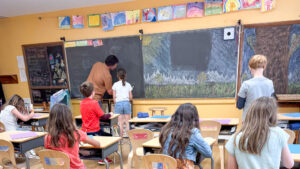
We believe strongly that introducing formal academics in grade school is not a delay. It is an intentional alignment with child development.
By first allowing children to fully develop physically, socially, and emotionally, we ensure they meet academic material with readiness and enthusiasm. When students begin formal academics at Charlottesville Waldorf School, they are ready.
They are confident in their bodies.
They are curious about the world.
They are internally motivated to learn.
As a result, academic learning becomes a source of excitement rather than stress.
Parents at Charlottesville Waldorf School consistently observe that their students develop strong literacy skills, deep comprehension, and a genuine love of learning because their early years were spent building the foundation that makes academic success possible.
The Long-Term Benefits of a Developmentally Appropriate Education
Research and experience show that children who are not rushed into early academics often demonstrate:
- Stronger long-term academic outcomes
- Greater creativity and flexible thinking
- Better mental health and emotional resilience
- Increased motivation and engagement
- A lasting love of learning
At Charlottesville Waldorf School, our goal is to inspire lifelong learning.
We are not interested in producing children who can read earlier for the sake of reading earlier, an outcome that often reflects adult expectations more than children’s actual needs. Yes, a child may be able to memorize all the times tables at age two, but memorization is not the same as understanding. When we push children toward abstract academic performance before their foundation of observation and physical experience is established, we risk bypassing the deeper developmental work that makes knowledge meaningful and lasting. At Charlottesville Waldorf School we are committed to nurturing human beings who think deeply and engage meaningfully with the world.
A Different Vision of Educational Success in Charlottesville
Families seeking alternatives to conventional education in Charlottesville often discover Charlottesville Waldorf School because they sense something important: childhood should not be rushed. Our classrooms reflect a simple but powerful truth: when children are given the time and space to develop fully, academic learning has a strong foundation on which to build.
It is an education that respects childhood, honors development, and prepares students for a meaningful and engaged life.
Learn More About Charlottesville Waldorf School
If you would like to learn more about our Playgarden, Kindergarten, or Grade School programs, we invite you to visit and experience the difference firsthand.
Charlottesville Waldorf School offers an education rooted in child development, developed with a deep respect for the unfolding human being. Because how children learn matters just as much as what they learn.
Related books, articles, and research:
- Alliance for Childhood (Miller & Almon, 2009). Crisis in the Kindergarten.
Documented increased stress behaviors, anxiety, and reduced enthusiasm for learning when kindergarten classrooms became more academically focused. - American Academy of Pediatrics (Yogman et al., 2018). The Power of Play: A Pediatric Role in Enhancing Development.
Found that excessive academic pressure in early childhood can produce stress responses that interfere with learning, emotional regulation, and long-term well-being. - Deci, E. L., & Ryan, R. M. (2000). Intrinsic and Extrinsic Motivations: Classic Definitions and New Directions. Psychological Inquiry.
Demonstrates that externally imposed academic pressure reduces intrinsic motivation and long-term engagement. - Gopnik, A. (2009). The Philosophical Baby.
Demonstrates that children learn best through exploration and curiosity, not forced instruction. - Hirsh-Pasek, K., et al. (2009). A Mandate for Playful Learning in Preschool. Oxford University Press.
Shows that play-based learning supports creativity, cognitive flexibility, and innovation.