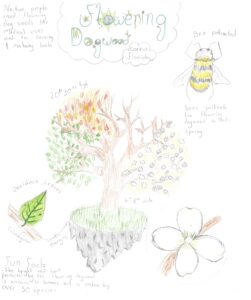

Waldorf education is grounded in truth and beauty as daily practices that shape how children come to understand the world and themselves.
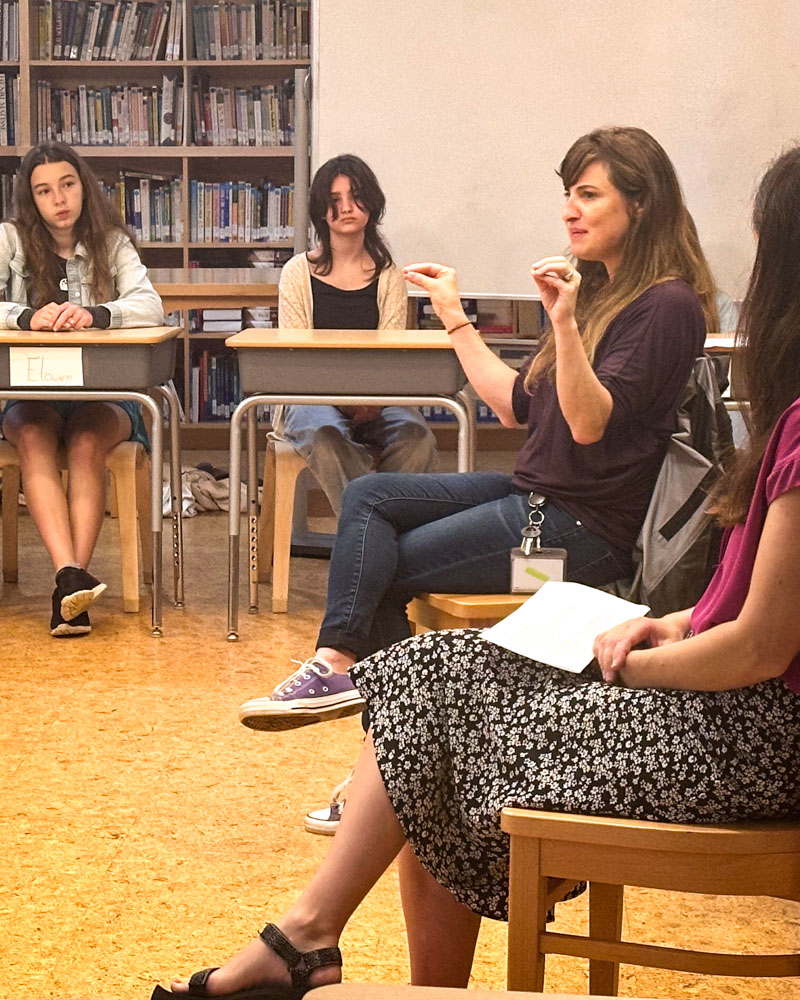
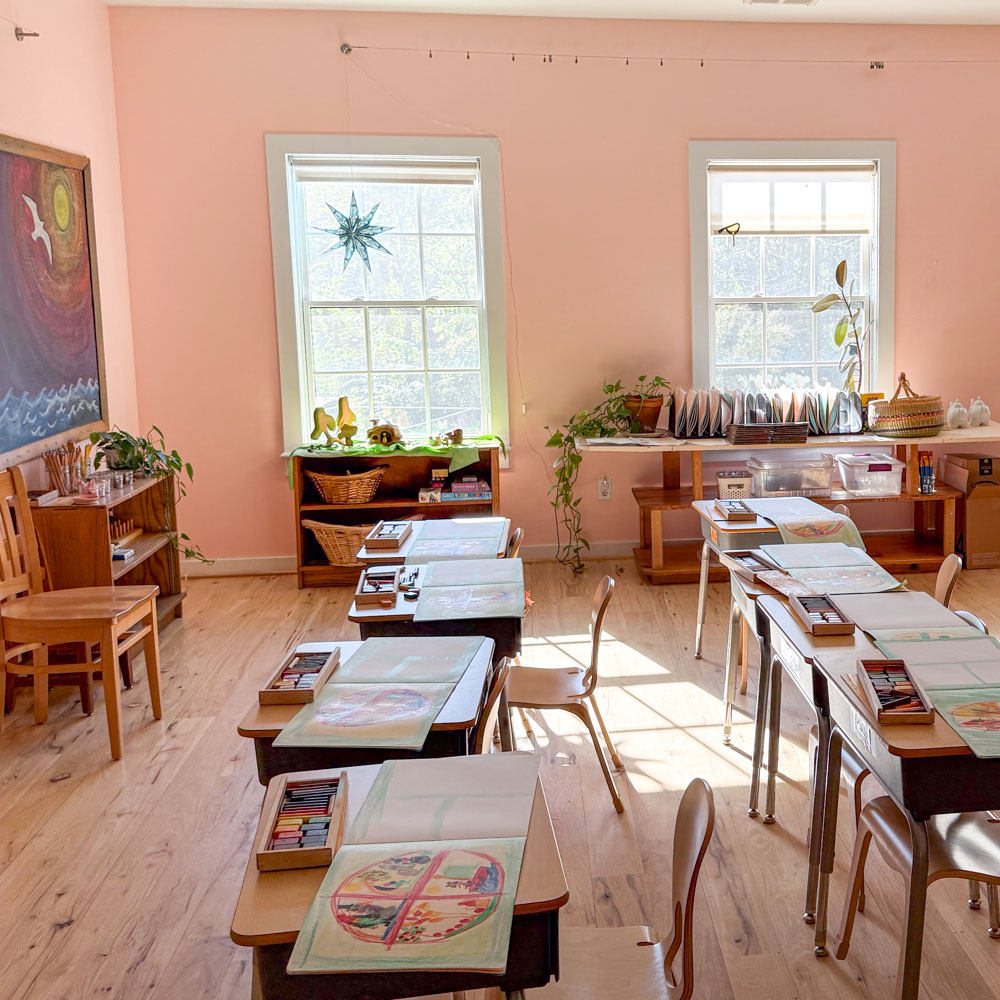

Truth: Learning That Is Real, Developmentally Honest, and Whole
In Waldorf education, truth begins with respecting how children actually grow.
- Developmentally true: The curriculum is aligned with children’s stages of cognitive, emotional, and physical development. Concepts are introduced when children are ready to truly grasp them, not simply to meet external benchmarks.
- Experiential truth: Children learn first through direct experience — observing nature, hearing stories, conducting experiments — before moving to abstraction. Knowledge arises from lived encounters with the world.
- Intellectual integrity: Facts are presented in ways that are meaningful and accurate for the child’s age and are not diluted or gamified. As students mature, myth gives way to history, and observation leads to scientific reasoning.
Truth in Waldorf education means clarity, coherence, and honesty: knowledge that grows organically and can be trusted.
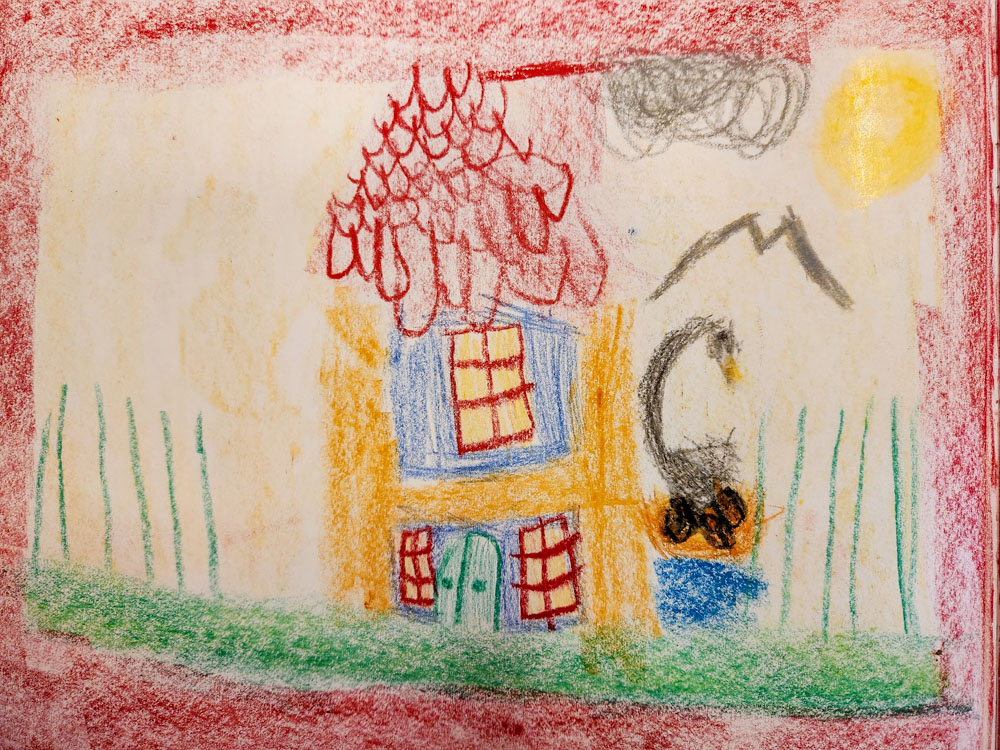
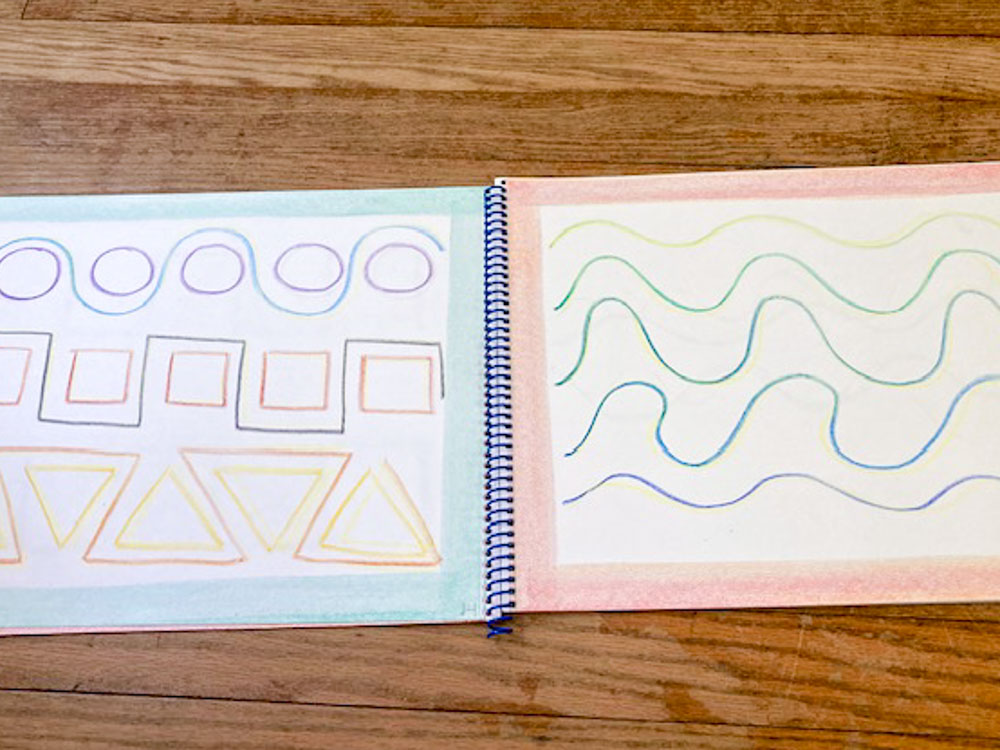

Beauty: An Environment That Educates the Heart
Beauty is pedagogy, not decoration.
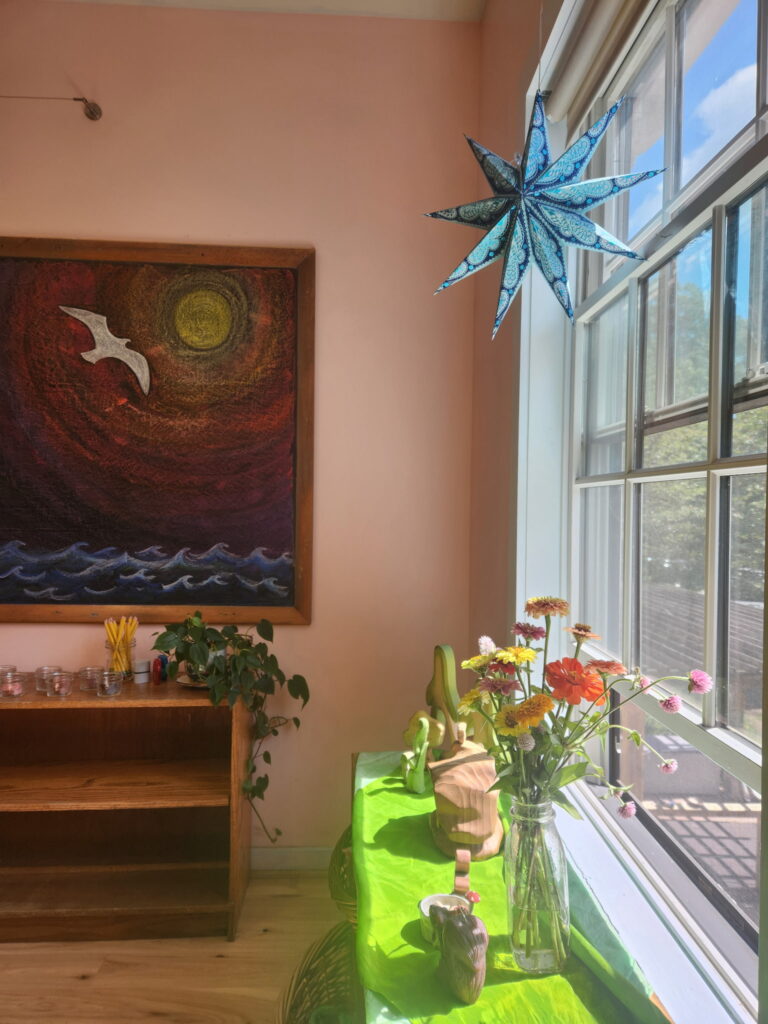
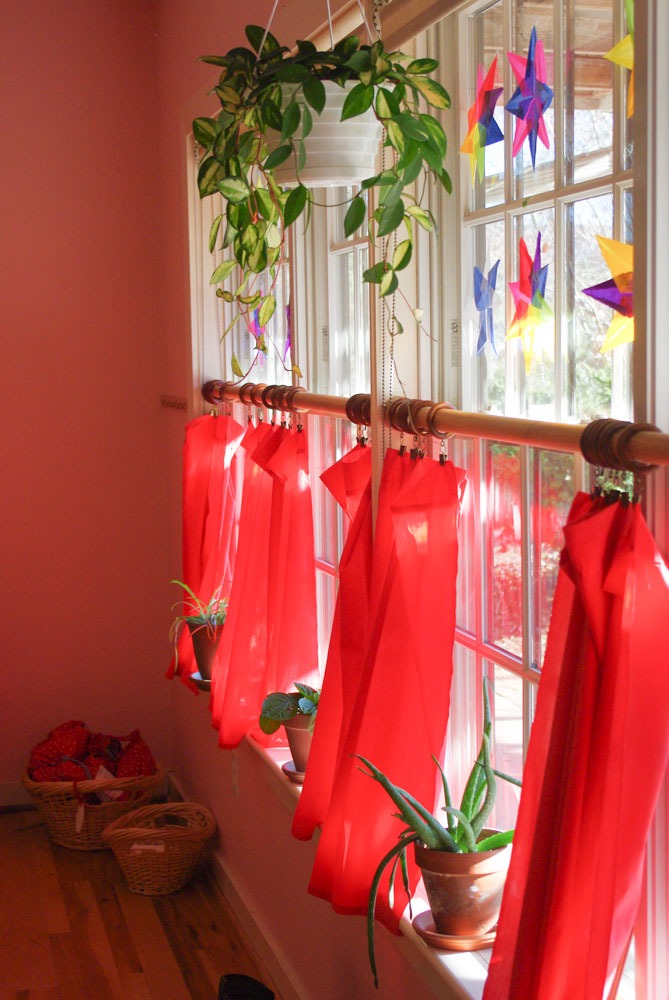
- Order and harmony: Classrooms are intentionally calm, well-proportioned, and cared for. This sense of order supports focus, emotional regulation, and respect.
- Art as a way of knowing: Drawing, music, movement, and handwork are woven into academic subjects, allowing children to encounter knowledge through feeling as well as thinking.
- Craft and care: Materials are chosen for their natural qualities and durability, teaching children — without instruction — that the world is worthy of care.

Students educated in this way grow into individuals who:
- Think clearly and independently
- Feel deeply and empathetically
- Act with care and integrity
Explore our website to learn how our Waldorf curriculum allows children to learn not only what is true, but how to recognize truth; not only to appreciate beauty, but to create it.
And to learn more, schedule a tour!