


From its founding in 1919, Waldorf education set out to do something fundamentally different: to educate the whole human being. At a time when schooling was largely focused on memorization and conformity, Waldorf education centered imagination, creativity, and developmental understanding — an approach that was progressive then and remains deeply relevant today.
Educating the Whole Human Being
From its founding in 1919, Waldorf education rejected the idea that schooling should focus only on intellectual achievement. Instead, it recognized that thinking, feeling, and doing develop together and must be educated together.
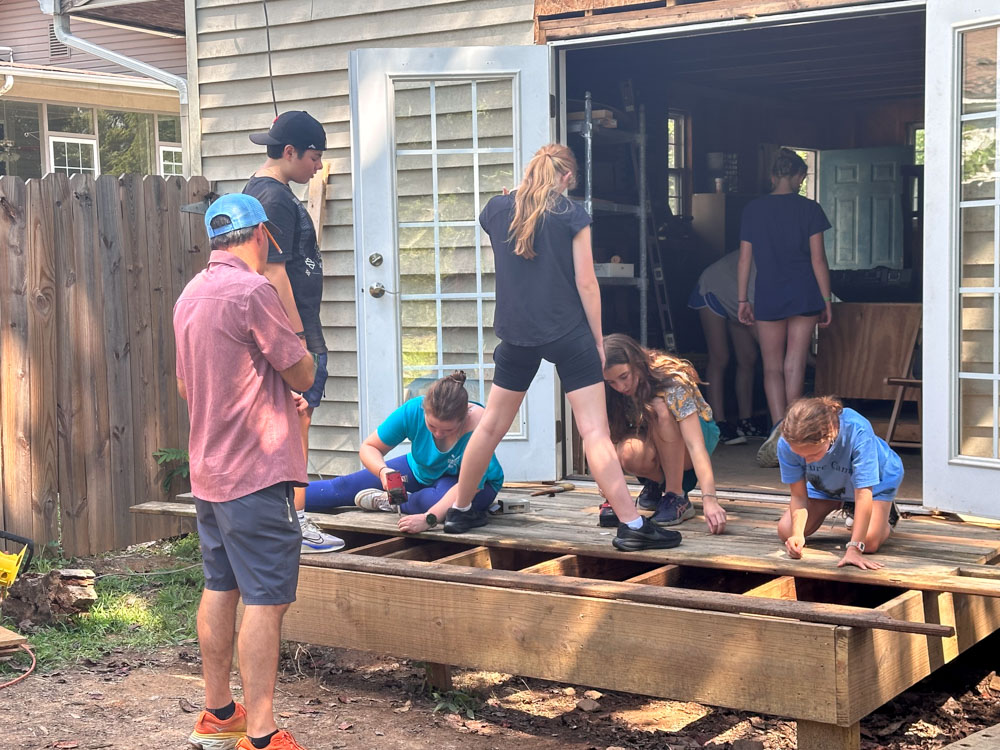
At a time when education was largely rote, authoritarian, and narrowly academic, Waldorf classrooms centered art, movement, practical work, and social development alongside rigorous academics. This integrated approach anticipated today’s emphasis on social-emotional learning and embodied cognition by more than a century.
Developmentally Aligned Learning
Waldorf education was progressive in insisting that children are not small adults.
The Waldorf curriculum was designed around stages of child development rather than accelerating content for efficiency, meaning that concepts are introduced when children are ready to meet them meaningfully. This stood in contrast to early 20th-century models that prioritized memorization and uniform pacing.
Modern neuroscience now affirms what Waldorf education recognized early on: learning is deeper and more lasting when it aligns with developmental readiness.
Arts as Essential, Not Enrichment
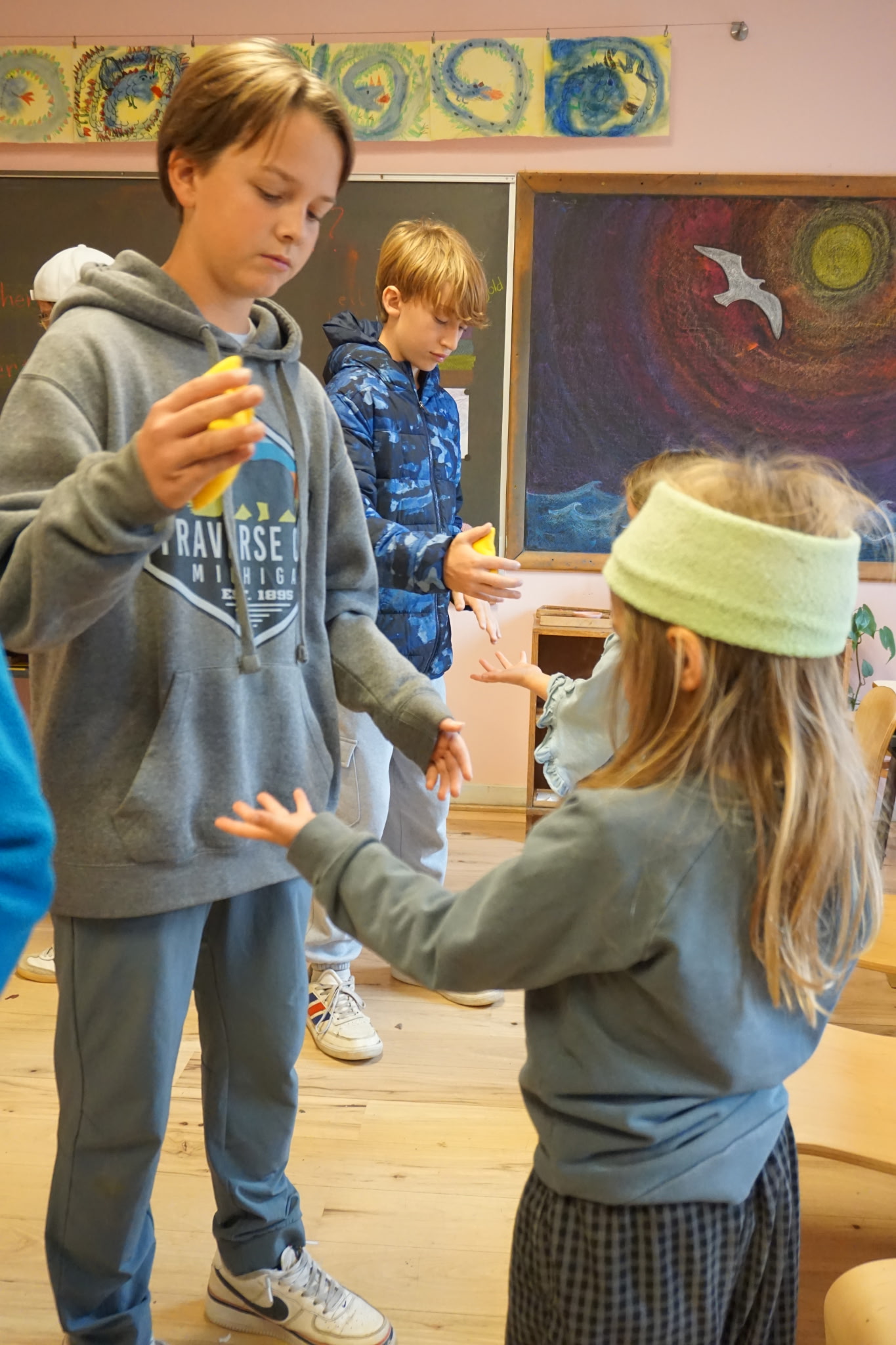
At a time when the arts were often peripheral or absent from formal schooling, Waldorf education placed them at the center of learning.
Music, visual arts, movement, drama, and handwork were (and are) understood as fundamental ways children make sense of the world, not as extra fluff that can be stripped away if funding is scarce or test scores are down. This was a radical stance in 1919 and remains progressive today, especially as schools work to reclaim creativity in an increasingly standardized landscape.
Why This Still Matters
Waldorf education’s progressiveness lies in its human-centered vision — one that values imagination, moral development, and relationship alongside intellectual rigor. What began as a bold alternative has proven enduring precisely because it was rooted in how human beings actually grow.