
Recent Articles and Press
Why Charlottesville Waldorf School does not rush early academics (and why that matters)
Rooted in Human Development: The 8 AWSNA Principles
A Progressive Vision From the Very Beginning
Truth and Beauty in Waldorf Education
Charlottesville Waldorf School Alumni Update: Ali DiChiara, Class of 2020
Outdoor Play Each Day: Fresh Air, Freedom, and Growth
Charlottesville Waldorf School Alumni: Julie Stoessel, class of 1996
Annual Festivals: Celebrating the Seasons Together
What does it mean to be educated?
Our Student–Teacher Ratio: The Individual as Part of the Group
—
Strengthening Inner Confidence for Creative and Intellectual Success and Purpose
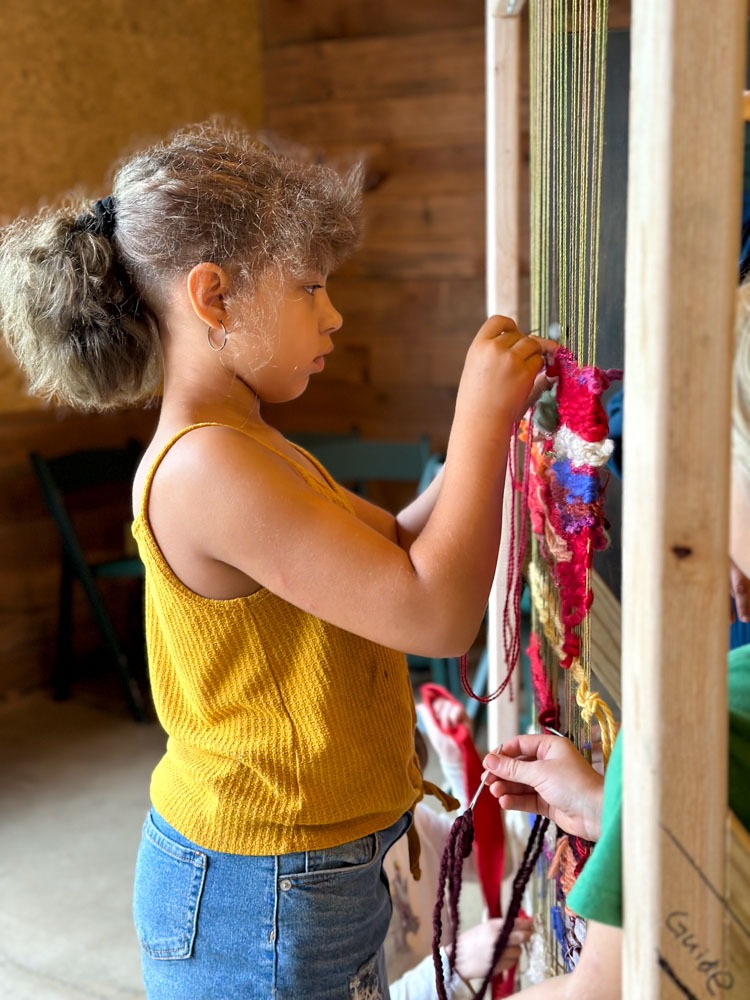
At Charlottesville Waldorf School, every child tries a variety of skills, learning them richly and deeply. The result is a blossoming of each individual’s inner confidence: certainty and evidence that they can tackle anything out in the world. It’s a liberal arts education brought to the grade school that fosters both creative and intellectual success.
The Charlottesville Waldorf School began in 1980 when a group of parents (and one pair of grandparents) met in the kitchen of a farmhouse about twenty-five miles south of Charlottesville to discuss the possibility of opening a Waldorf school. This study group secured a space and a teacher, and in September 1982 the school opened as the Crossroads Waldorf School, with twelve students.
In 2010 CWS moved to the current campus in Charlottesville, with custom-built LEEDS certified buildings and a new name – the Charlottesville Waldorf School.
Over the years, the Charlottesville Waldorf School has been committed to providing Waldorf Education for children and families in central Virginia, sparking curiosity about the world and preparing students for a lifelong love of learning. Our school currently offers preschool through 8th grade, as well as Parent and Child classes for children as young as 18 months.
Learn more about Waldorf Education at the Association of Waldorf Schools of North America.
The Charlottesville Waldorf School builds
a foundation that allows children to meet the future
with courage, integrity, and a sense of service.
Statement of Philosophy, Purpose, and Objectives
The Charlottesville Waldorf School exists to offer education based on an anthroposophical understanding of the human being as developed by Rudolf Steiner and as nurtured through the active self-development and child observation of our faculty.
We seek to provide the child with the physical environment and stimulation of the imagination needed at each stage of their growth in order to awaken the new capacities required to reach their full adult potential.
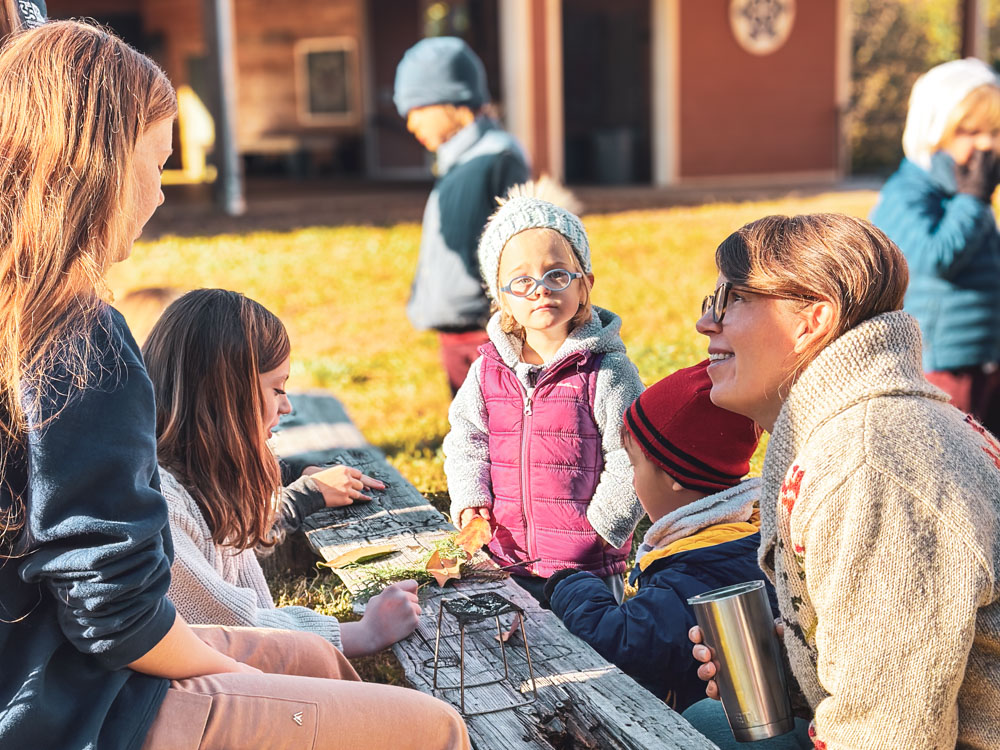
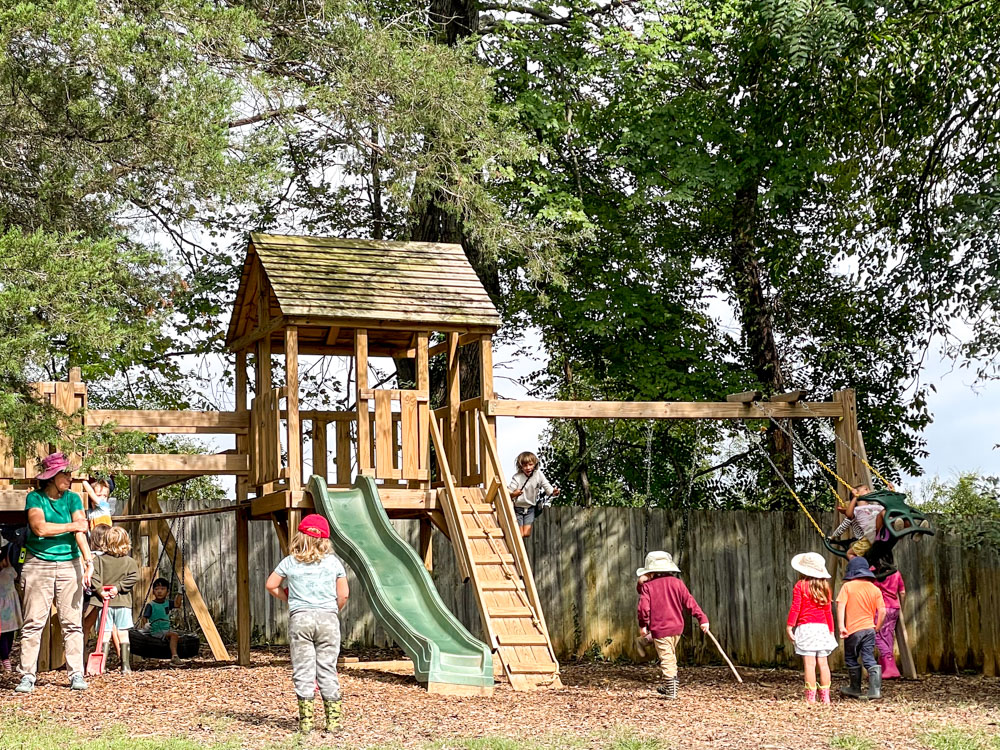
Our programs thus provide a developmentally appropriate curriculum presented in age-appropriate ways in each classroom, beginning with our youngest nursery children and continuing through eighth grade. The early childhood program is play-based and engages the young children in the activities they need to develop physical, social, and imaginative capacities in a warm, home-like environment. Great attention is given to the rhythms of the day and the cycles of the year in the teachers’ work on the décor and on artistic and practical activities. Teachers also work closely with the parents of their students in discussions of developmental stages and how to work with them at home.
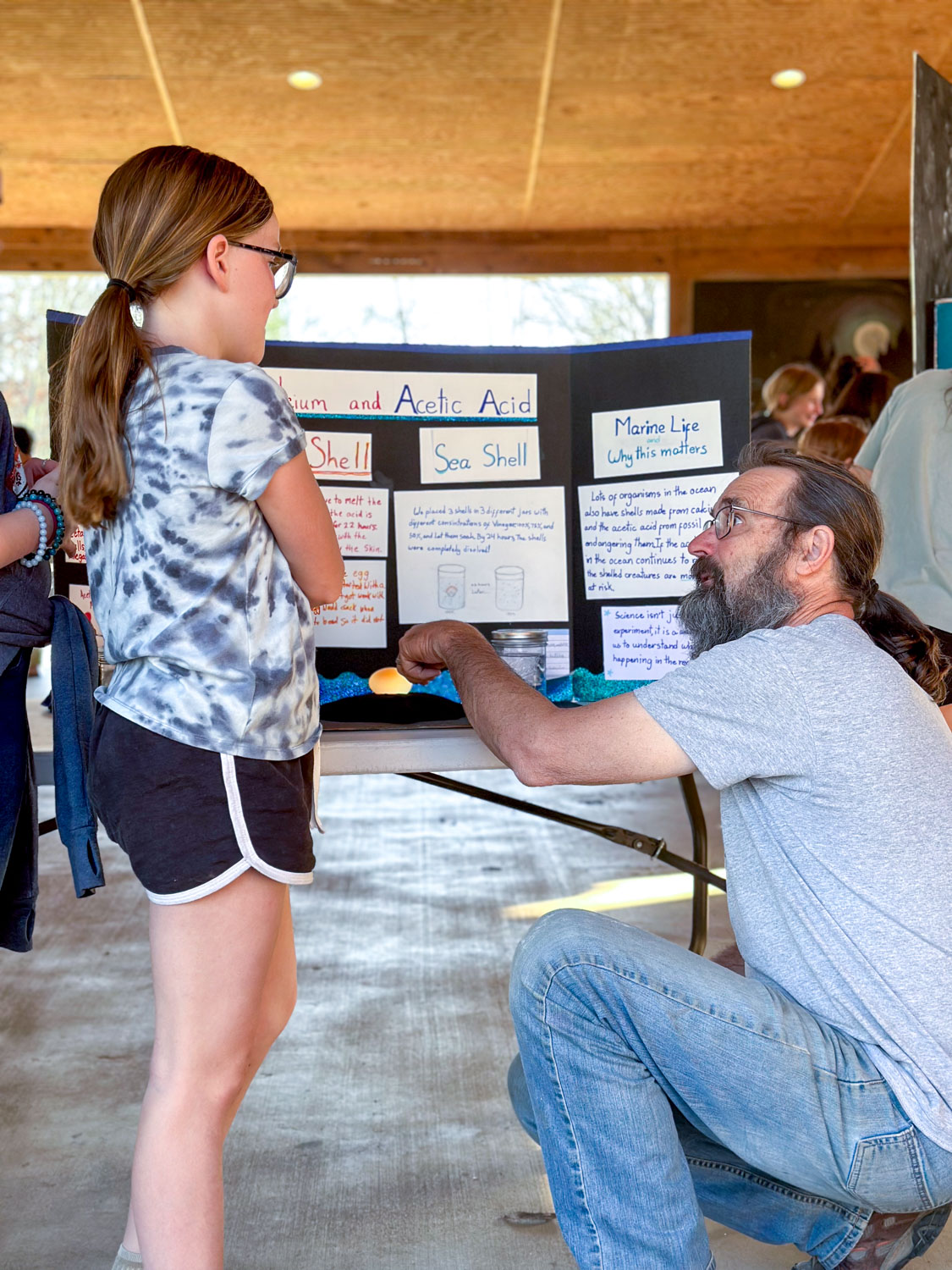
The grade school program engages students in intensive three-to-four-week studies of themes accompanied by high academic, artistic, and behavior standards that are designed to prepare the child for later demands on his or independent judgment. These main lesson blocks provide students in grades one through eight with academic skills through the study of human culture that follows the awakening of human consciousness through history. The grade school class teacher stays with the class for several grades and serves as a loving authority who comes to know the students very well, thus being in a position to meet readily the needs of the individual student.
Both programs hold the clear goals of cultivating a reverential attitude toward the world and the capacity to engage the imagination in the world; developing faculties of perception; and strengthening the will to carry out one’s own initiatives, whether through speech, athletics, mathematics, music, scientific discovery, or artistic expression. We see all of this as vital to the healthy development of the child toward adulthood.

Diversity, Equity, and Inclusion
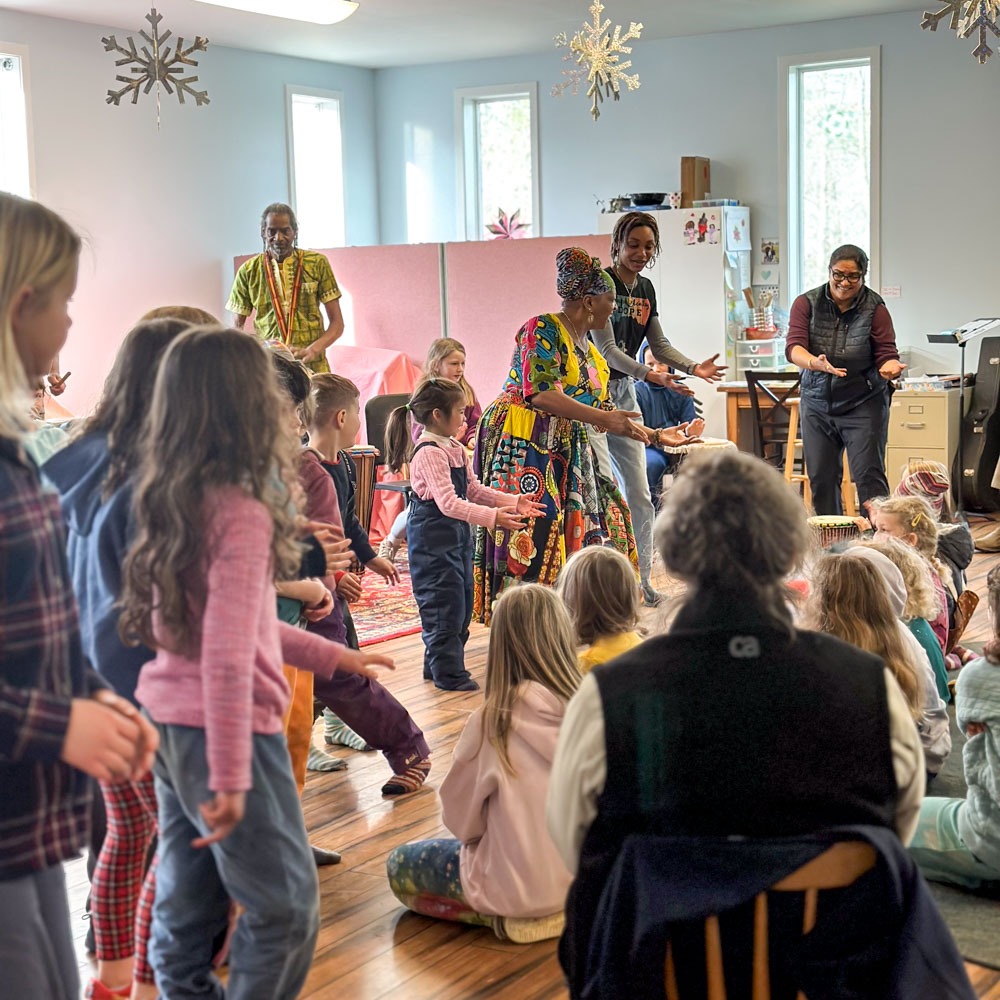
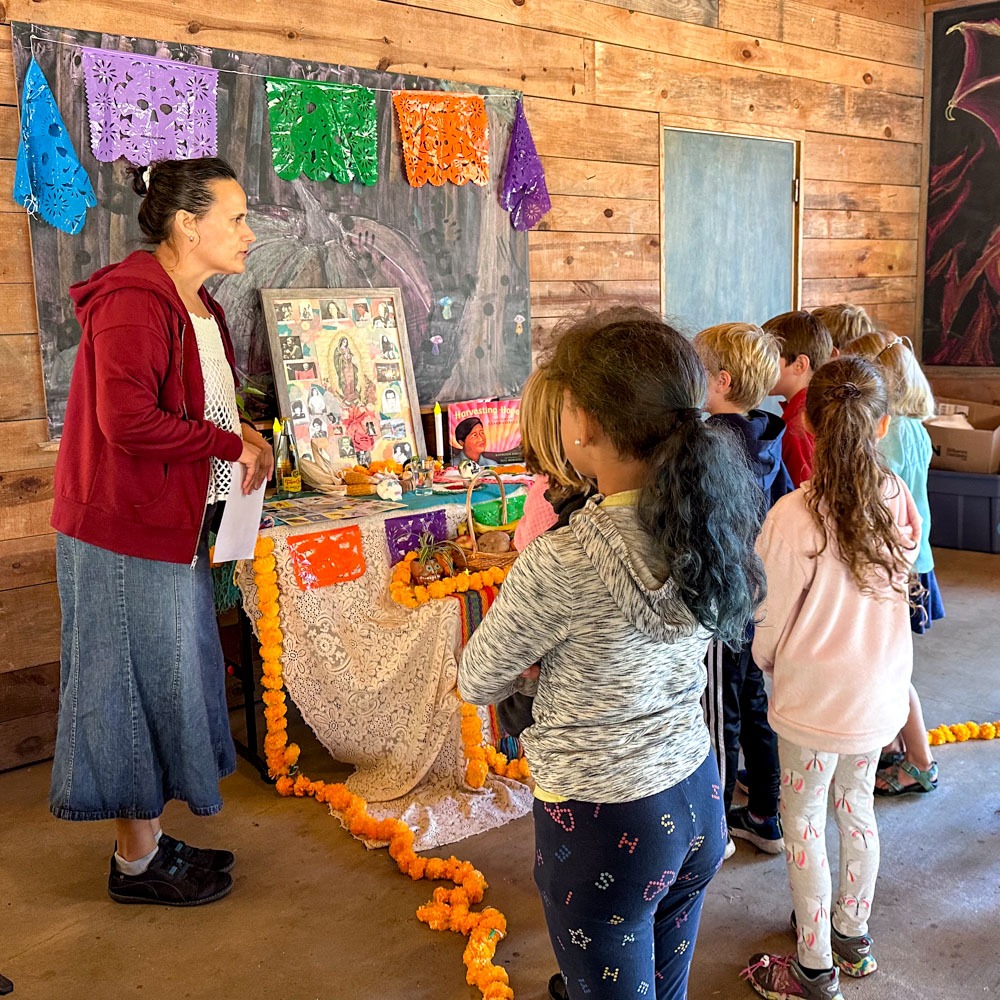
The Charlottesville Waldorf School values the humanity of all people in their individuality and embraces their race, ethnicity, nationality, age, sexual orientation, gender identity, ability, culture, religion or spirituality, and socio-economic experience. We commit to actively engaging in the essential and ongoing process of accessing the intended potential and strength of the Waldorf Curriculum by moving beyond its European roots, fostering an environment of inclusivity, and holding each other accountable for growth.
Statement of Inclusion & Equity from the Association of Waldorf Schools of North America (AWSNA)
The Association of Waldorf Schools of North America (AWSNA) recognizes the historic and ongoing impact of racism on our continent and the injustice and discrimination faced by Black, Brown, Indigenous and People of Color. We understand that racial justice in education is a journey of both moral and educational imperative. As such, we take seriously our responsibility to bear witness to what is happening in the world, to center the voices of color in justice work, and to change the course of inequities by identifying and breaking down structural racism in all forms within Waldorf education.
We acknowledge that Rudolf Steiner, founder of Waldorf education (1919), offered many profound insights that support the value and dignity of each human being and form the foundation of our organization’s histories and worldview. Yet, he also made statements that reflect harmful assertions regarding race and ethnicity. Racism, explicit or implicit, stands in direct conflict to the fundamental principles of Waldorf education. We commit to working to address any dehumanizing or disparaging aspects of our history and practices.
Advancing diversity, equity and inclusion (DEI) is one of the compelling forces behind AWSNA’s strategic priorities. These priorities are central to our work and aim to bring us closer to the world that we want for our youth.
We know that we have far to go as an association and as individuals in our understanding of racial oppression and social justice. Please join us by elevating your own commitment to social renewal and transformation.
As a member of the Council for Anthroposophical Organizations (CAO) AWSNA shares in a joint Commitment to Racial Justice, Equity, and Social Transformation.
Accreditation and Membership
Charlottesville Waldorf School (CWS) is proud to be an Associate Member of the Association of Waldorf Schools of North America (AWSNA) and a full member of the Waldorf Early Childhood Association of North America (WECAN).
CWS was a full AWSNA member for 7 years (2013-2020) and transitioned to Associate Member status when the re-accrediation period arrived in 2020. In that year, we adapted our programs to a mixed-age learning model, which required a period of self-study. The change to mixed-age learning reflects our thoughtful approach to curriculum development and ensures that our school continues to provide a high-quality, developmentally appropriate Waldorf education. Associate Membership means CWS is actively engaged with AWSNA through ongoing peer review and mentorship from other experienced Waldorf educators, as we complete our self-study that will lead toward full membership once again. The prescribed cycle of self-study is 7-12 years. Associate Member schools must comply with all AWSNA policies and procedures, including adherence to AWSNA’s values, principles, and obligations as a member organization.
WECAN Membership affirms CWS’s commitment to excellence in early childhood education. WECAN supports and strengthens Waldorf early childhood programs through community resources, professional guidance, and best-practice frameworks. Membership ensures that our early childhood program reflects the principles and practices of Waldorf education from the very beginning of a child’s learning journey.
Together, these memberships reflect CWS’s long-standing dedication to providing a rigorous, developmentally appropriate, and fully Waldorf-inspired educational experience for all students.