

Diversity, Equity, Inclusion, and Justice (DEIJ)
Charlottesville Waldorf School values the humanity of all people in their individuality and embraces their race, ethnicity, nationality, age, sexual orientation, gender identity, ability, culture, religion or spirituality, and socio-economic experience. We commit to actively engaging in the essential and ongoing process of accessing the intended potential and strength of the Waldorf Curriculum by moving beyond its European roots, fostering an environment of inclusivity, and holding each other accountable for growth.
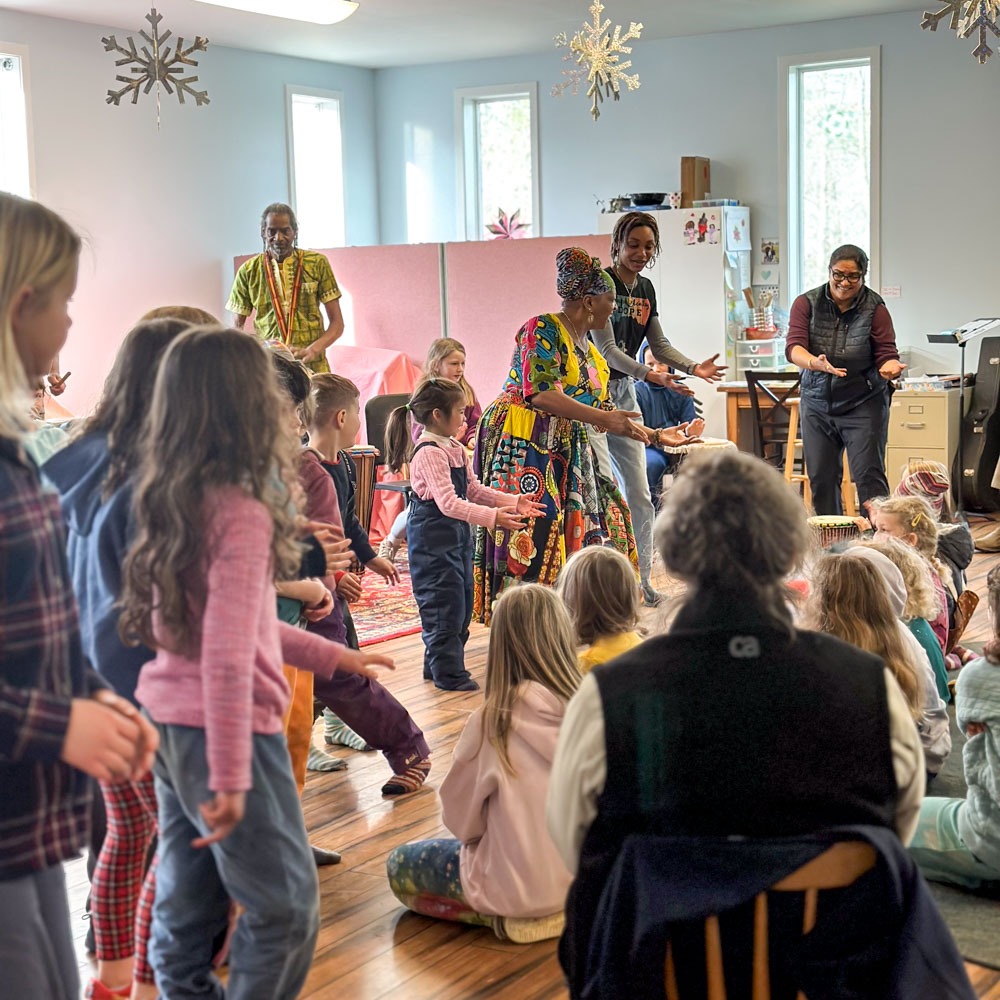

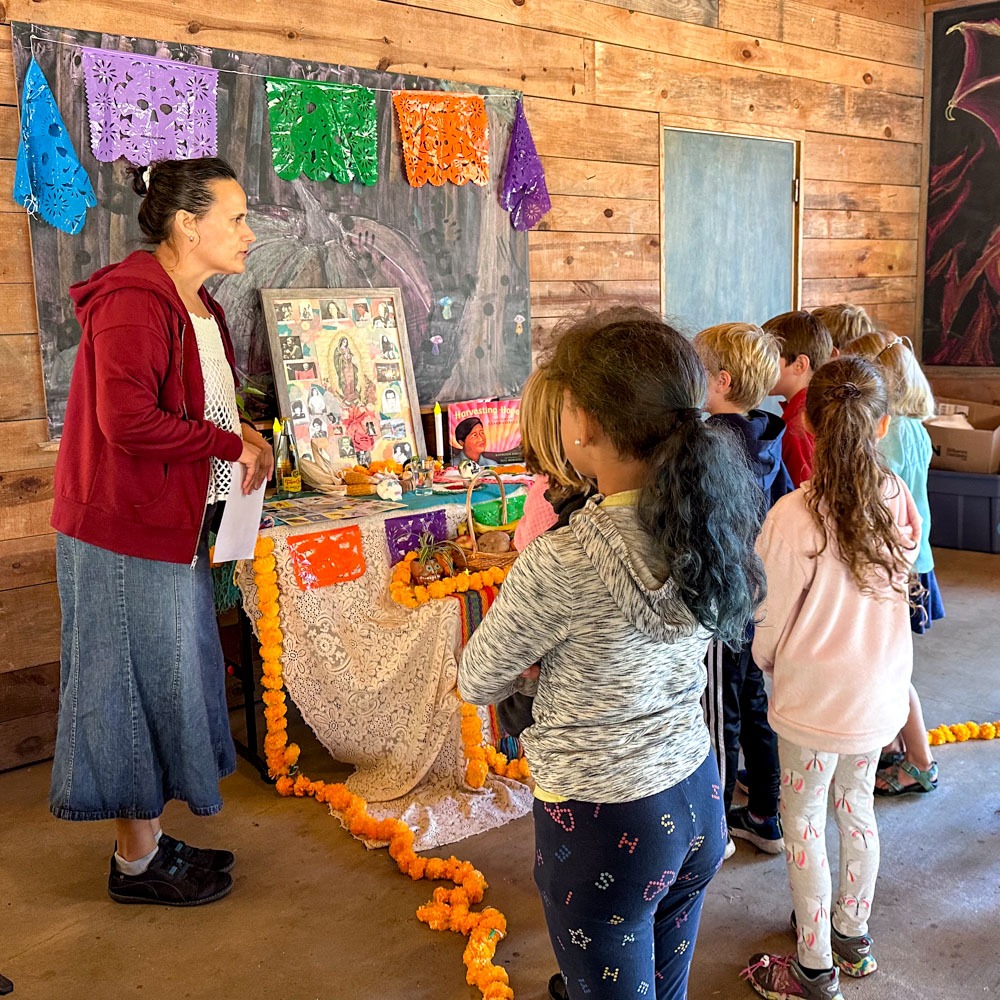
DEIJ in Practice at Charlottesville Waldorf School
At Charlottesville Waldorf School, diversity, equity, inclusion, and justice are woven into the daily life of our classrooms and community relationships. We view this work as ongoing, living, and deeply connected to the developmental understanding at the heart of Waldorf education.
Our commitment includes:
- Cultivating classrooms where children experience belonging, dignity, and respect
- Expanding the stories, histories, voices, and cultural perspectives represented in the curriculum
- Supporting faculty and staff in ongoing professional development and self-reflection
- Encouraging respectful dialogue, curiosity, and compassionate listening across differences
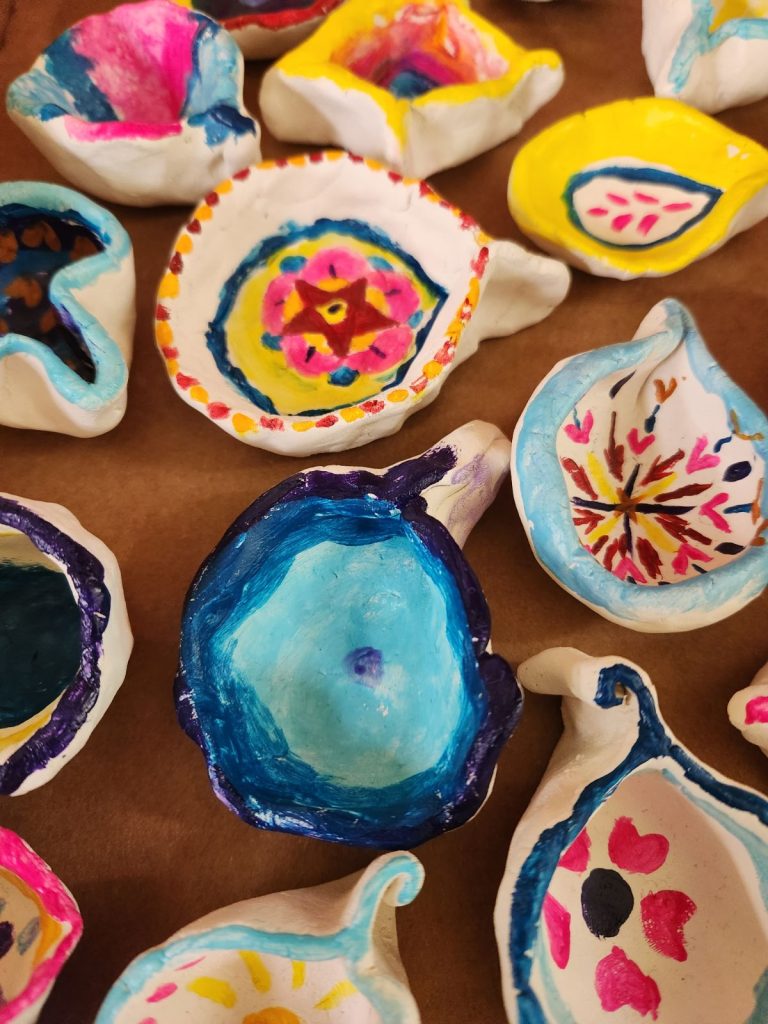
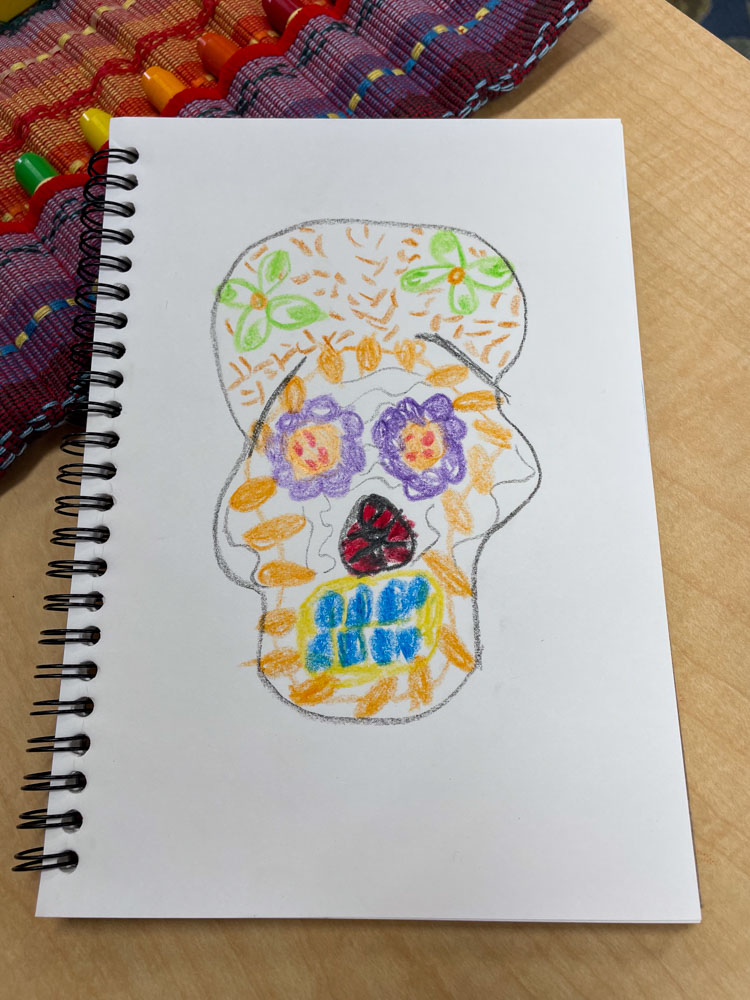
- Creating community celebrations and experiences that honor the richness of human cultures and traditions
- Working toward greater accessibility and inclusion for families from varied backgrounds and life experiences
- Holding ourselves accountable through continued learning, conversation, and growth as a school community
We recognize that this work is never finished. Like education itself, it asks us to remain awake, responsive, and willing to grow.
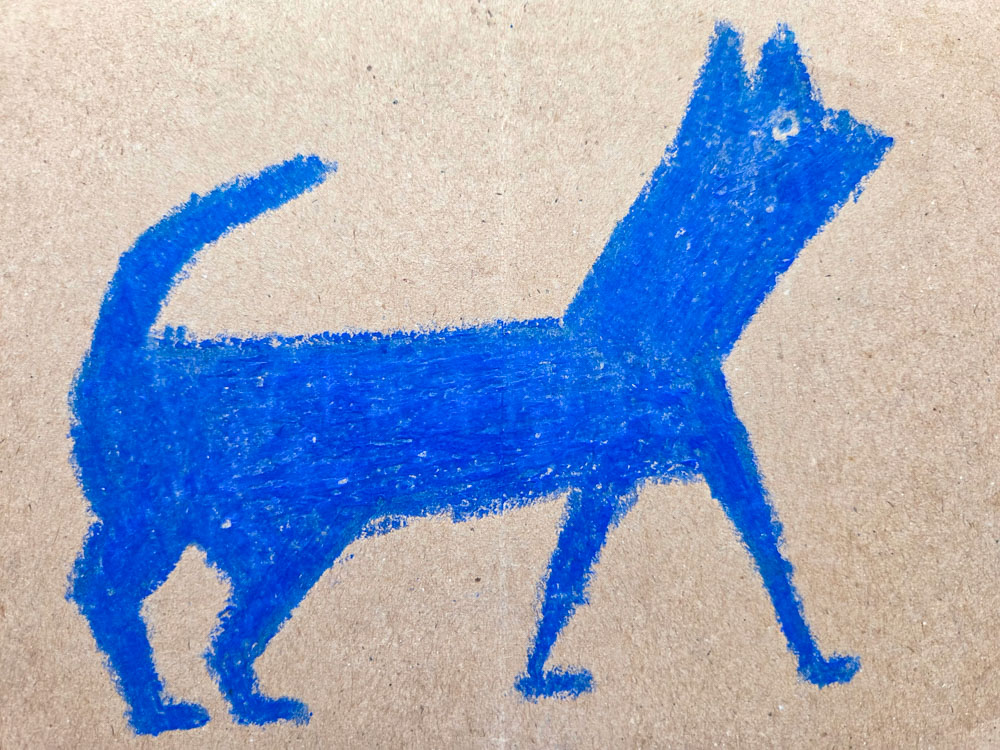
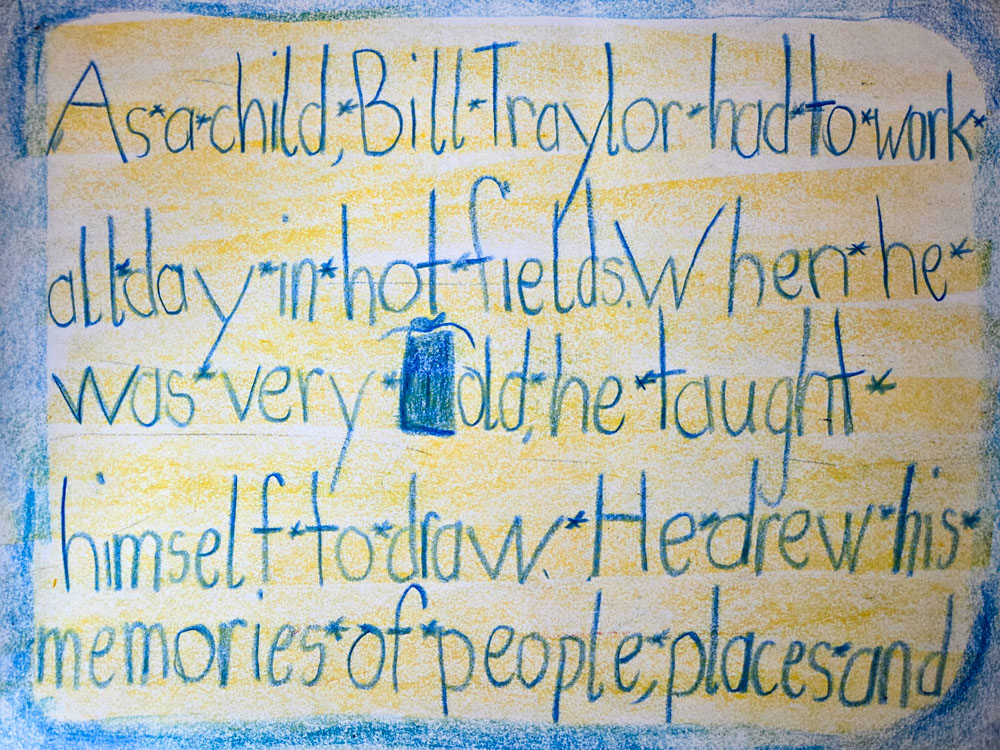
What This Looks Like in Our School
DEIJ work at CWS lives in both curriculum and community life. We understand that meaningful inclusion is not accomplished through a single statement or initiative but is built gradually through listening, relationship, study, humility, and sustained community effort. Depending on the age and developmental stage of the children, this may include:
- Literature, stories, biographies, and cultural studies from diverse voices and traditions
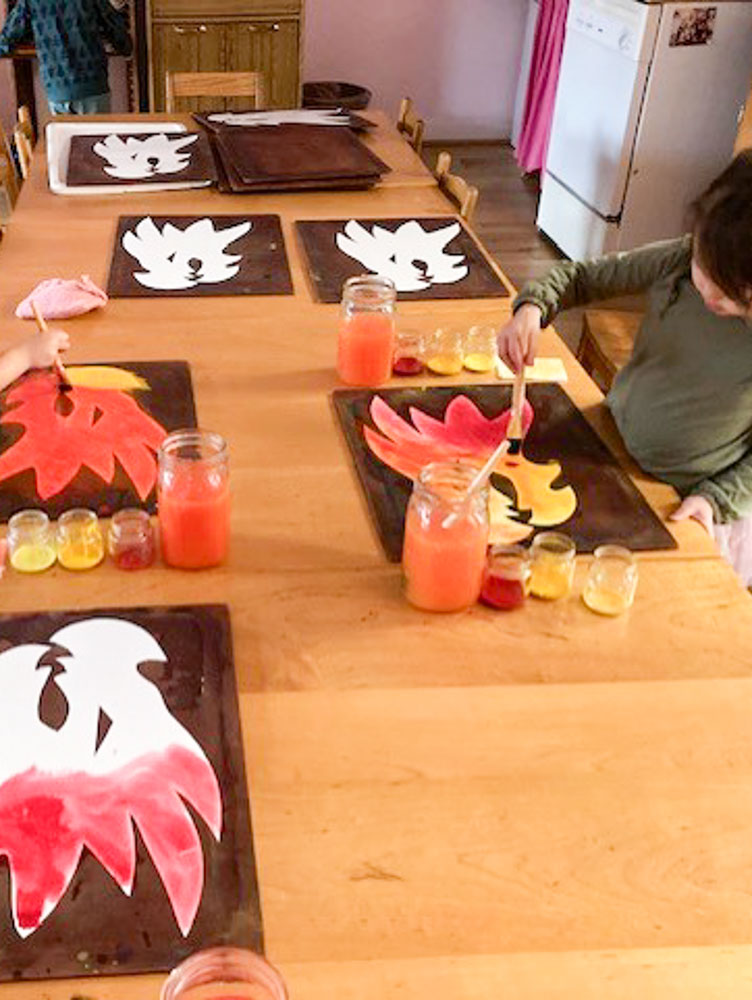
- Festivals, music, handwork, and artistic traditions from around the world approached with reverence and context
- Faculty study groups, workshops, and professional development focused on inclusion and cultural responsiveness
- Classroom conversations that support empathy, conflict resolution, fairness, and human dignity
- Parent education opportunities and community dialogue around belonging and healthy relationships
- Thoughtful attention to representation in classroom materials, library selections, and visual imagery throughout the school
- Age-appropriate social studies and cultural history work that helps students understand both historical injustice and human resilience
- Financial aid/tuition assistance that supports socioeconomic diversity within our school community
- Policies and practices intended to foster emotional and physical safety for all members of the community
We Continue to Learn
We believe healthy communities are built through relationship, reflection, and shared responsibility. We welcome thoughtful dialogue with families, students, faculty, and the broader community as we continue this work together.
Statement of Inclusion & Equity from the Association of Waldorf Schools of North America (AWSNA)
The Association of Waldorf Schools of North America (AWSNA) recognizes the historic and ongoing impact of racism on our continent and the injustice and discrimination faced by Black, Brown, Indigenous and People of Color. We understand that racial justice in education is a journey of both moral and educational imperative. As such, we take seriously our responsibility to bear witness to what is happening in the world, to center the voices of color in justice work, and to change the course of inequities by identifying and breaking down structural racism in all forms within Waldorf education.
We acknowledge that Rudolf Steiner, founder of Waldorf education (1919), offered many profound insights that support the value and dignity of each human being and form the foundation of our organization’s histories and worldview. Yet, he also made statements that reflect harmful assertions regarding race and ethnicity. Racism, explicit or implicit, stands in direct conflict to the fundamental principles of Waldorf education. We commit to working to address any dehumanizing or disparaging aspects of our history and practices.
Advancing diversity, equity and inclusion (DEI) is one of the compelling forces behind AWSNA’s strategic priorities. These priorities are central to our work and aim to bring us closer to the world that we want for our youth.
We know that we have far to go as an association and as individuals in our understanding of racial oppression and social justice. Please join us by elevating your own commitment to social renewal and transformation.
As a member of the Council for Anthroposophical Organizations (CAO) AWSNA shares in a joint Commitment to Racial Justice, Equity, and Social Transformation.