

“If humanity is to be able to live in social justice in the future, then people must first
educate their children in a socially appropriate way. Through the Waldorf School,
we hope to make a small contribution toward bringing this about.”
– Rudolf Steiner, at the opening of the Independent Waldorf School,
September 7, 1919, Stuttgart, Germany
Waldorf schools offer a developmentally appropriate, experiential approach to education. Music, theater, science, mathematics, writing, literature, legends and myths are not simply subjects to be read about and tested: they are experienced. Through these experiences, Waldorf students cultivate their intellectual, emotional, physical and spiritual capacities to be individuals certain of their paths and of service to the world. Waldorf education aims to inspire life-long learning in all students and to enable them to fully develop their unique capacities.
Founded in the early 20th century, Waldorf Education is based on the insights, teachings and principles of education outlined by the world-renowned anthroposophist, artist, and scientist, Rudolf Steiner. The principles of Waldorf Education evolve from a profound understanding of human development that addresses the needs of the growing child. These principles inspire and guide teachers, administrators, trustees, and parents today.
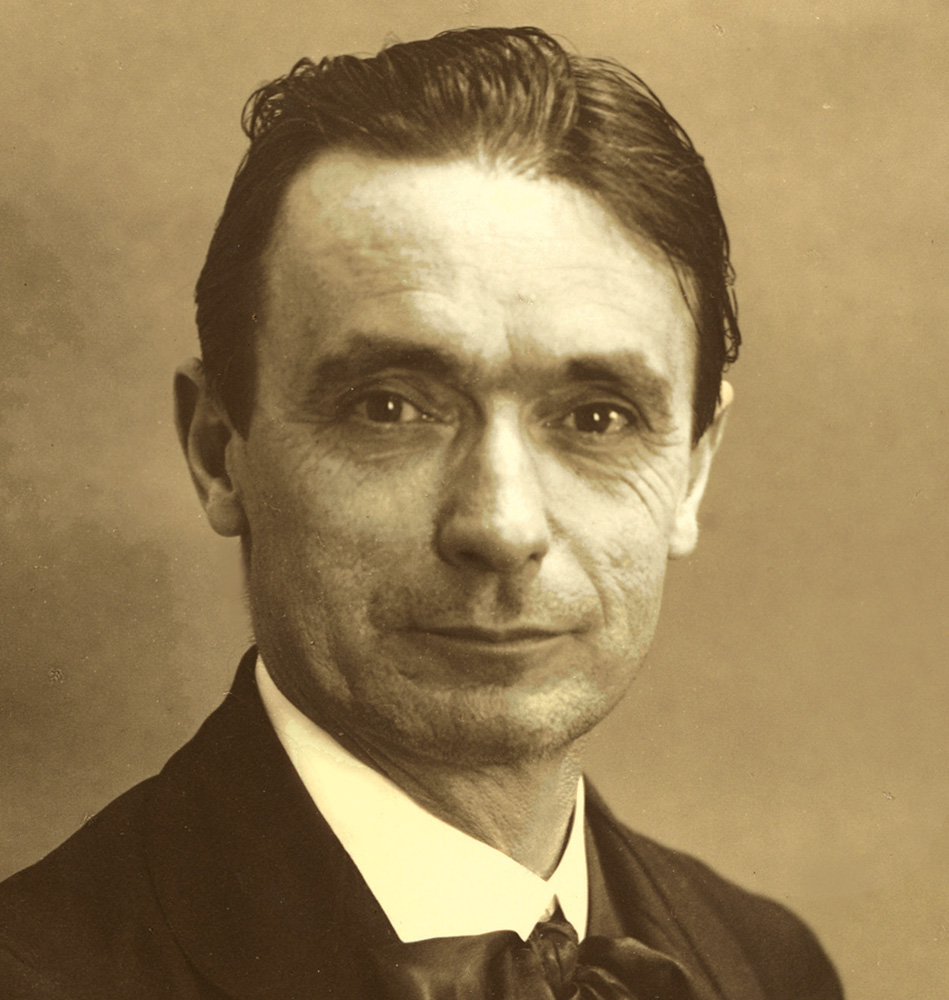
“Our highest endeavor must be to develop free human beings who are able of themselves to impart purpose and direction to their lives. The need for imagination, a sense of truth, and a feeling of responsibility—these three forces are the very nerve of education.”
– Rudolf Steiner



Principles for Waldorf Schools
1. THE IMAGE OF THE HUMAN BEING AS A SPIRITUAL BEING INFORMS EVERY ASPECT OF THE SCHOOL.
Waldorf schools work actively with insights from Rudolf Steiner about the incarnating human being. One core insight is that the human being is a threefold being of body, soul, and spirit. Waldorf education enlivens the physical, emotional, intellectual, social, artistic, and spiritual capacities of the human being as the individual moves through the phases of this life.
2. WALDORF SCHOOLS FOSTER SOCIAL RENEWAL BY CULTIVATING HUMAN CAPACITIES IN SERVICE TO THE INDIVIDUAL AND SOCIETY.
Waldorf schools foster development so that, throughout life, individuals are motivated to serve humanity with strength of will, depth of feeling, clarity of thought, and the ability to work with others. The educational program is designed to strengthen these fundamental human capacities in our students.
3. ANTHROPOSOPHICAL UNDERSTANDING OF CHILD DEVELOPMENT GUIDES THE EDUCATIONAL PROGRAM.
Waldorf schools work with the gradual development of the human being from child to adult. This development follows an archetypal sequence of three seven-year phases. During this time, the soul and spirit progressively take hold of the physical body. Each child’s development is a unique expression of the human archetype. Each phase has characteristic physical, emotional, and intellectual dimensions.
The educational program is developed out of this understanding. Core components of the educational program include the student-teacher relationship; the artistic approach; working from experience to concept; working from whole to parts; use of rhythm and repetition; and observation as the foundation for assessment. Each approach is tailored to meet the students in each phase of child development.
Thus it is essential that teachers have formal preparation in Waldorf pedagogy or are engaged in such preparation.
4. WALDORF SCHOOLS SUPPORT FREEDOM IN TEACHING WITHIN THE CONTEXT OF THE SCHOOL’S SHARED AGREEMENTS.
The educational program of each Waldorf school is founded on Rudolf Steiner’s insights about the growing child, informed by the teachers’ ongoing study of anthroposophy and their professional development in Waldorf education. The faculty of the school works collaboratively and cooperatively to develop, refine, and periodically review the educational program. Individual teachers work creatively with curricular, pedagogical, and assessment components of the program out of freedom and in a way that serves their individual students, the class as a whole, and the school community. This work reflects and respects the shared educational understandings and agreements of the faculty.
5. THE CONSCIOUS DEVELOPMENT OF HUMAN RELATIONSHIPS FOSTERS INDIVIDUAL AND COMMUNITY HEALTH.
Enduring human relationships between students and their teachers and among the children themselves are at the heart of Waldorf education. The teacher’s task is to work with the developing individuality of each student and with each class as a whole within the context of the entire school. These relationships gain in depth and stability when they are cultivated over multiple years.
Healthy human relationships with and among parents and colleagues are essential to the well-being of the school. Members of the community are invited to join in developing meaningful, collaborative, transparent forms for working together. Each individual’s self-development is encouraged since it is key to the well-being of the whole.
6. SPIRITUAL DEVELOPMENT IN SUPPORT OF PROFESSIONAL GROWTH IS AN ONGOING ACTIVITY FOR THE FACULTY, STAFF, AND BOARD.
Members of the faculty, staff, and board work in an ongoing way to cultivate their spiritual development with the help of anthroposophical and other study. Waldorf schools create opportunities for shared educational study, artistic activity, mentoring, and research to further this growth and development in service to the students.
7. COLLABORATION AND SHARED RESPONSIBILITY PROVIDE THE FOUNDATIONS OF SCHOOL LEADERSHIP AND GOVERNANCE.
Waldorf schools are self-administered. This work is strengthened by cultivating a shared anthroposophical understanding of social interaction. Faculty, staff, and the board share responsibility for guiding and leading the school in the following manner:
a) The educational program is developed by the faculty under the guidance of the pedagogical leadership of the school.
b) Administrative activities further the educational program.
c) The board works strategically to enable legal and financial health in order to realize the mission and vision of the school.
Governance of the school is structured and implemented in a manner that both cultivates collaboration and is effective.
8. WALDORF SCHOOLS HONOR AND EMBRACE HUMAN DIVERSITY AND DIGNITY.
Waldorf schools celebrate the diversity of humankind. Faculty, staff, and board pursue a path of human dignity and equity in organizational, leadership, and pedagogical realms. Schools are engaged in understanding and addressing the current and historical roots of inequity. These endeavors are of spiritual, moral, and educational importance and are rooted in Waldorf education’s founding vision, which included addressing contemporary social struggles within the context of the life of the school.
For more than a century, Waldorf schools around the world have taken a thoughtful, human-centered approach to education, one that asks not just what children should learn, but when and how they learn best.
Frequently Asked Questions
FAQ Specific to Charlottesville Waldorf School >
While the best way to learn about Charlottesville Waldorf School is to experience it in person at one of our Admissions Events, many families share similar questions as they consider whether Charlottesville Waldorf School is the right fit. This Charlottesville Waldorf School-specific FAQ is designed to address some of the most common topics we discuss with prospective families, including early childhood readiness, first grade entrance, and the transition to high school.
Learn More About Waldorf Education
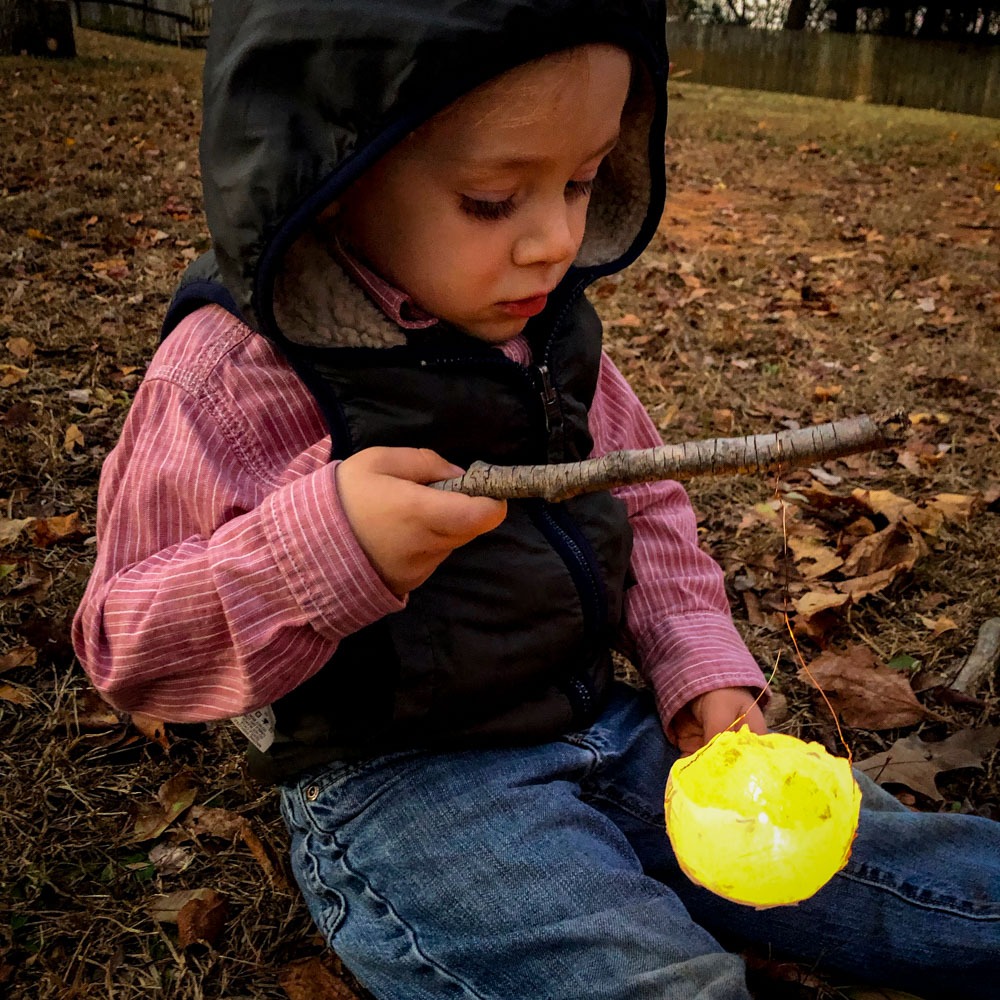
As mainstream education has increasingly moved toward early academic pressure, disconnected standardization, gamified learning, and screen-based instruction, Waldorf has continued to emphasize developmental readiness, hands-on experience, creativity, and meaningful relationships. What once seemed unconventional is now increasingly supported by research in child development, neuroscience, and psychology — affirming the value of movement, play, the arts, real-world learning, and deep human connection.
CWS Articles and Publications
The Seasonal Journal is CWS seasonal magazine. See the current issue and archive here >
Waldorf Organizations and Associations
- Association of Waldorf Schools of North America (AWSNA)
- Waldorf Early Childhood Association of North America (WECAN)
- Research Institute for Waldorf Education
- International Council for Steiner/Waldorf Education
- International Association for Steiner/Waldorf Early Childhood Education
- Sunbridge Institute
- Waldorf Resources